Instructions
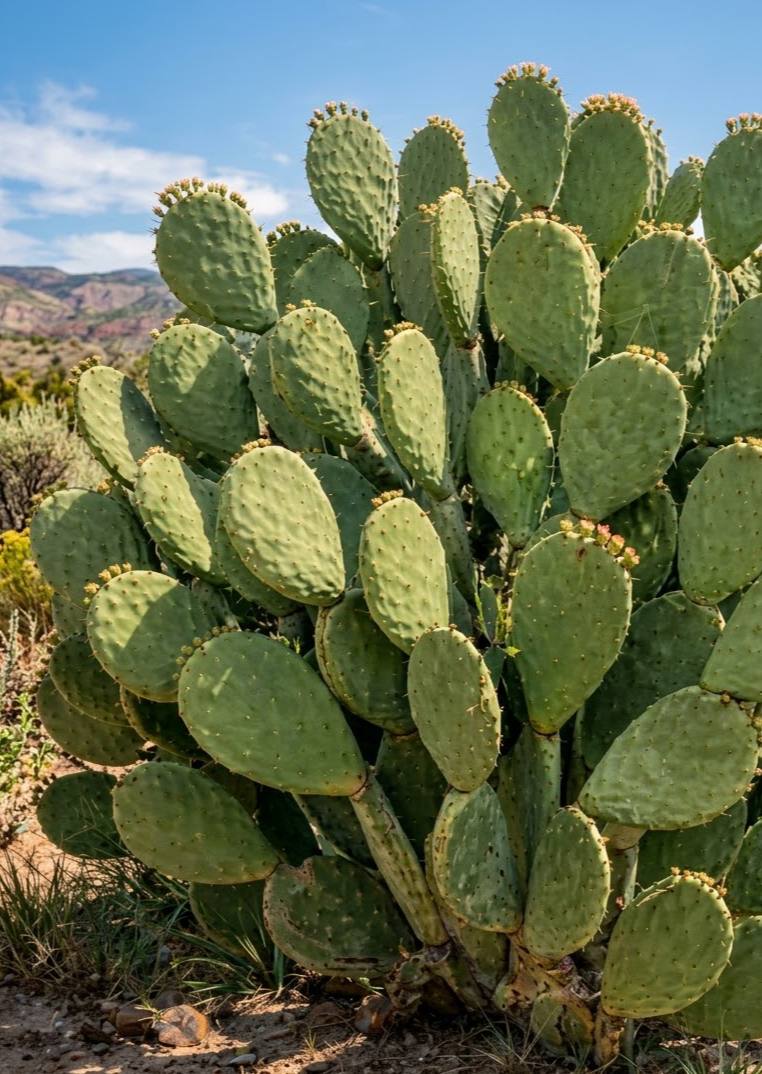
- Prepare the Nopales: Put on thick gloves to protect your hands from glochids (tiny spines). Using a sharp knife or vegetable peeler, carefully scrape off all the glochids and any larger spines from both sides of each nopal pad. Trim the tough edges around the perimeter of each pad. Rinse the cleaned nopales thoroughly under cold running water to remove any remaining spines or debris.
- Dice the Nopales: Once cleaned, stack the nopales and cut them into 1/2-inch to 3/4-inch dice.
- Boil the Nopales (to reduce sliminess): Place the diced nopales in a medium saucepan. Cover with cold water, add a pinch of salt, and a small piece of tomato or a quarter of an onion (this helps to reduce the mucilaginous texture). Bring to a boil over medium-high heat, then reduce heat and simmer for 10-15 minutes, or until the nopales are tender-crisp and their slime has largely dissipated.
- Drain and Rinse: Drain the cooked nopales in a colander. Rinse them thoroughly under cold running water for a minute or two, tossing them gently to wash away any remaining mucilage. Let them drain well, pressing gently to remove excess water. Set aside.
- Sauté Aromatics: Heat the olive oil in a large skillet or frying pan over medium heat. Add the diced white onion and cook for 3-5 minutes, stirring occasionally, until softened and translucent. Add the minced garlic and diced serrano (or jalapeño) peppers and cook for another 1-2 minutes until fragrant, being careful not to burn the garlic.
- Add Tomato and Spices: Stir in the diced tomato, ground cumin, and dried oregano. Cook for 5-7 minutes, stirring occasionally, until the tomato has softened and started to break down, forming a rustic sauce.
- Combine with Nopales: Add the drained and rinsed cooked nopales to the skillet. Stir well to combine all ingredients. If the mixture seems too dry, you can add 1/4 cup of water or vegetable broth.
- Simmer and Season: Reduce the heat to low, cover the skillet, and let it simmer for 5-10 minutes, allowing the flavors to meld. Season generously with salt and freshly ground black pepper to taste.
- Finish and Serve: Stir in the fresh cilantro just before serving. Serve hot, garnished with extra cilantro and lime wedges on the side for a burst of freshness.
Cooking Tips and Variations
For the best results when preparing nopales, always prioritize safety. Wearing thick gloves is non-negotiable when handling raw pads to avoid the tiny, irritating glochids. When cleaning, a dull knife or vegetable peeler works wonders for scraping them off, always moving away from your body. To further reduce the mucilaginous texture, some cooks swear by adding a small amount of baking soda to the boiling water, or even a quarter of an onion or a piece of tomato; these act as natural coagulants. After boiling, rinsing the nopales thoroughly under cold water is crucial to wash away any remaining sliminess and cool them down quickly, stopping the cooking process. When choosing fresh nopales, look for pads that are firm, bright green, and free from blemishes or soft spots; smaller, younger pads tend to be more tender and less fibrous. If fresh nopales are unavailable, jarred or canned nopales can be a good substitute, though they often lack the same fresh texture and flavor, and should be rinsed well before use.
This basic recipe is incredibly versatile and can be adapted to suit various tastes and dietary needs. For a heartier meal, consider adding scrambled eggs to the nopales mixture in the last few minutes of cooking to create Nopalitos con Huevo, a classic Mexican breakfast or light dinner. You can also incorporate cooked proteins such as shredded chicken, diced pork, or crumbled queso fresco (fresh cheese) for added flavor and substance. For a vegetarian option, black beans or pinto beans make an excellent addition. Experiment with different chili peppers; chipotle peppers in adobo can add a smoky depth, while a milder poblano pepper can offer a less intense heat. If you prefer a brighter, fresher profile, consider adding corn kernels or bell peppers of various colors. Nopales are also fantastic grilled; simply brush cleaned pads with olive oil, salt, and pepper, and grill until tender and slightly charred, then slice and add to salads or serve as a side. For a quick salad, boil and dice nopales, then toss with chopped tomato, onion, cilantro, jalapeño, and a lime vinaigrette for a refreshing Nopal Salad.
Storage and Reheating
Proper storage is key to enjoying your cooked nopales. Once cooled to room temperature, transfer any leftover nopales a la Mexicana to an airtight container. They will keep well in the refrigerator for up to 3-4 days. For longer storage, you can freeze cooked nopales. Place them in a freezer-safe bag or container, ensuring as much air as possible is removed to prevent freezer burn. They can be frozen for up to 2-3 months, though the texture might become slightly softer upon thawing. It’s best to freeze them in individual portions if you plan to use them in smaller quantities later.
When it comes to reheating, there are several good options. For best results, gently reheat the nopales in a skillet over medium-low heat. Add a tablespoon or two of water or broth to prevent drying out, and stir occasionally until heated through. This method helps maintain their texture and prevents them from becoming rubbery. You can also reheat them in the microwave; place them in a microwave-safe dish, cover loosely, and heat in 30-60 second intervals, stirring in between, until warm. Be careful not to overheat in the microwave, as this can make them tough. If reheating from frozen, it’s best to thaw them in the refrigerator overnight before reheating on the stovetop for the most even warming.
Frequently Asked Questions
How do I choose fresh nopales at the market?
When selecting fresh nopales, look for pads that are firm, vibrant green, and plump. Avoid any pads that appear shriveled, discolored, or have soft spots, as these are signs of spoilage or age. Smaller, younger pads are generally more tender and have fewer spines, making them easier to clean and often more desirable for cooking. Some nopales may have tiny flower buds or small fruits attached; these are perfectly fine and indicate freshness.
Can I eat nopales raw?
While nopales can technically be eaten raw, they are typically cooked. Raw nopales have a more pronounced mucilaginous (slimy) texture and a slightly more acidic flavor that many find less appealing. Cooking methods like boiling, grilling, or sautéing significantly reduce this sliminess and tenderize the pads, making them much more palatable. If you do wish to try them raw, they are sometimes finely diced and added to fresh salsas or salads in very small quantities, often marinated in lime juice to help break down the mucilage.
What if I can’t find fresh nopales?
If fresh nopales are unavailable in your local grocery store or Latin American market, you can often find them jarred or canned. These are usually pre-cleaned, diced, and cooked, which significantly reduces preparation time. When using jarred or canned nopales, it’s crucial to drain them well and rinse them thoroughly under cold water to remove excess brine and any residual sliminess. While they won’t have the exact same crisp-tender texture as freshly prepared nopales, they are a convenient and perfectly acceptable substitute for many recipes.
How can I make sure my nopales aren’t slimy after cooking?
Reducing the sliminess of nopales is a common concern, but it’s easily managed with proper technique. The most effective method is to boil them in water with a pinch of salt. Adding a small piece of tomato, a quarter of an onion, or even a tiny amount of baking soda to the boiling water is also believed by many to help coagulate and reduce the mucilage. After boiling until tender-crisp (about 10-15 minutes), drain the nopales thoroughly in a colander and rinse them several times under cold running water. This washing process is key to removing any remaining slime. If you grill or roast nopales, the high, dry heat tends to minimize sliminess even more effectively than boiling.