Introduction
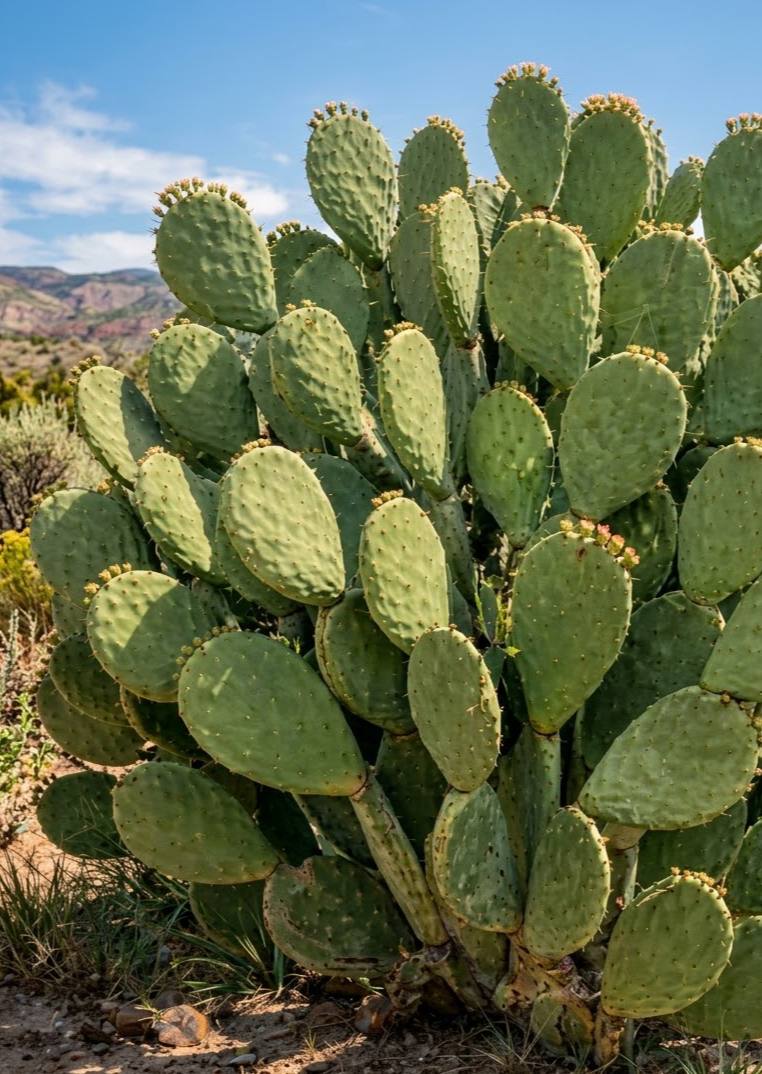
Step into the vibrant world of Mexican cuisine, and you’ll quickly encounter a culinary marvel often dubbed the “Plant of Life”: nopales. These aren’t just any greens; they are the edible pads of the prickly pear cactus, a staple ingredient that has graced plates and sustained communities for centuries. With their striking green hue and unique texture, nopales offer a fascinating journey for your taste buds, bridging ancient traditions with modern healthy eating. Forget any preconceived notions about cacti being just desert adornments; nopales are a testament to nature’s incredible bounty, proving that even the most formidable-looking plants can yield delicious and incredibly nutritious food.
The moniker “Plant of Life” isn’t just poetic; it’s a deeply rooted cultural acknowledgment of the cactus’s profound significance. In Mexico and across the American Southwest, nopales are more than just an ingredient; they are a symbol of resilience, sustenance, and heritage. From ancient Aztec civilizations who revered it for its medicinal properties and vital nourishment, to today’s bustling markets where it’s a common sight, the prickly pear cactus has been an indispensable part of life. Its versatility is astounding, transforming from a seemingly thorny desert dweller into a tender, flavorful component of countless dishes, from hearty stews to refreshing salads. This article will guide you through understanding, preparing, and ultimately savoring this extraordinary ingredient, unlocking its delicious potential in your own kitchen.
Beyond its rich history and cultural importance, nopales are a nutritional powerhouse, truly earning their “Plant of Life” title. They are packed with dietary fiber, essential vitamins like A, C, K, and various B vitamins, and a wealth of minerals including calcium, magnesium, potassium, and iron. All of this comes with very few calories and minimal fat, making them an excellent choice for a health-conscious diet. Their unique flavor—slightly tart, earthy, and reminiscent of green beans—adds a distinct character to any meal. While often associated with a somewhat mucilaginous (slimy) texture when raw, proper cooking techniques effectively minimize this, revealing a delightful tenderness. Get ready to embrace this remarkable ingredient as we explore its journey from desert plant to delectable dish.
Nutritional Information
Per serving (approximate values):
- Calories: 30
- Protein: 1g
- Carbohydrates: 6g
- Fat: 0.5g
- Fiber: 4g
- Sodium: 5mg
Ingredients
- 4 medium-sized fresh nopales (prickly pear cactus pads)
- 1 tablespoon olive oil
- 1/2 cup finely diced white onion
- 2 cloves garlic, minced
- 1 large ripe tomato, diced
- 1-2 serrano peppers, finely diced (or jalapeño for milder heat), seeds removed if desired
- 1/4 cup chopped fresh cilantro, plus more for garnish
- 1/2 teaspoon ground cumin
- 1/4 teaspoon dried oregano
- Salt to taste
- Freshly ground black pepper to taste
- 1/4 cup water or vegetable broth (optional, if mixture seems too dry)
- Lime wedges for serving