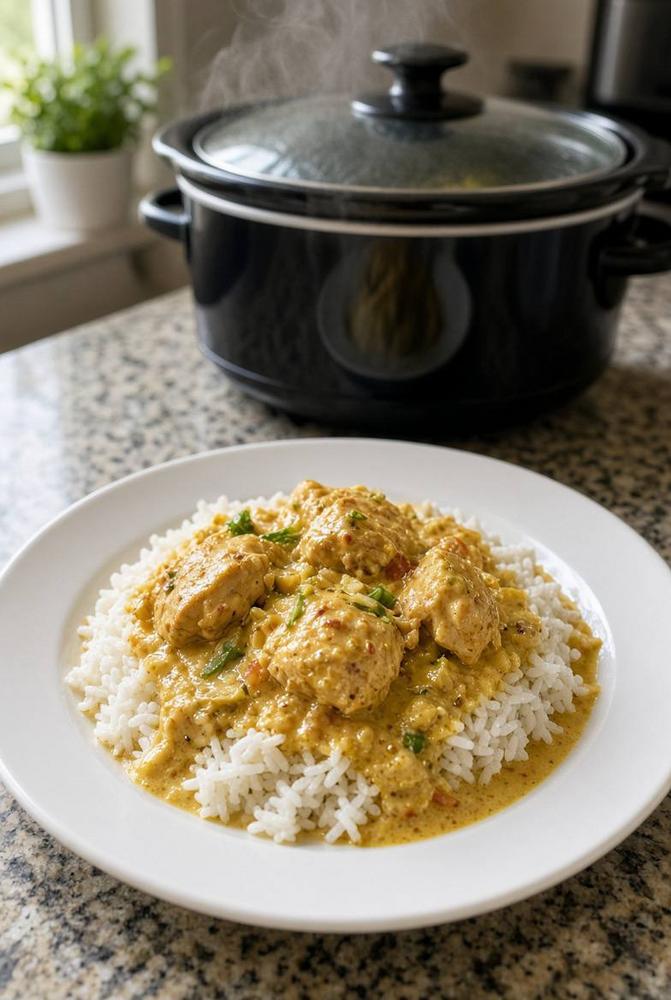
Introduction
There’s something undeniably comforting and utterly delicious about a homemade curry. The moment those aromatic spices hit the pan, mingling with the creamy richness of coconut milk, your kitchen transforms into a fragrant haven. Today, we’re diving into a recipe that embodies all that warmth and flavor: Coconut Curry Chicken. This dish isn’t just a meal; it’s an experience, a vibrant symphony of savory, slightly sweet, and subtly spicy notes that dance on your palate. It’s the kind of dish that warms you from the inside out, perfect for a cozy weeknight dinner or a relaxed gathering with loved ones.
What makes Coconut Curry Chicken so special? It’s the harmonious balance of its core components. Tender pieces of chicken, bathed in a velvety, golden sauce, infused with the exotic allure of curry spices, and brightened by fresh vegetables. The star, of course, is the coconut milk, which lends a luxurious creaminess and a hint of natural sweetness that beautifully mellows any heat. Our version takes convenience to a new level by embracing the magic of the slow cooker, allowing you to “set it and forget it” while the flavors slowly meld and deepen to perfection. Imagine coming home to the enticing aroma of a freshly cooked meal, ready to be scooped over fluffy rice – that’s the promise of this recipe.
This Coconut Curry Chicken isn’t just easy; it’s incredibly versatile. Whether you’re a seasoned curry enthusiast or new to the world of spices, you’ll find this recipe approachable and rewarding. It’s a fantastic way to introduce vibrant, international flavors into your weekly rotation without hours of effort. So, get ready to embark on a culinary journey that promises a delicious, aromatic, and relatively simple meal, perfect for any occasion where you crave a taste of pure comfort and exotic delight.
Nutritional Information
Per serving (approximate values):
- Calories: 480
- Protein: 35g
- Carbohydrates: 40g
- Fat: 22g
- Fiber: 4g
- Sodium: 650mg
Ingredients
- 1.5 lbs boneless, skinless chicken breasts or thighs, cut into 1-inch cubes
- 1 large yellow onion, diced
- 3 cloves garlic, minced
- 1 tablespoon fresh ginger, grated
- 1 red bell pepper, cored, seeded, and diced
- 1 green bell pepper, cored, seeded, and diced
- 1 (14.5 ounce) can diced tomatoes, undrained
- 1 (13.5 ounce) can full-fat coconut milk
- 1/2 cup chicken broth
- 2 tablespoons red curry paste (or 3 tablespoons curry powder for a milder flavor)
- 1 teaspoon ground turmeric
- 1/2 teaspoon ground cumin
- 1/2 teaspoon ground coriander
- 1/4 teaspoon cayenne pepper (optional, for extra heat)
- 1 tablespoon brown sugar (or maple syrup)
- 1 tablespoon soy sauce (or tamari for gluten-free)
- Salt and freshly ground black pepper to taste
- 2 tablespoons cornstarch (optional, for thickening)
- 2 tablespoons cold water (optional, for cornstarch slurry)
- Fresh cilantro, chopped, for garnish
- Lime wedges, for serving
- Cooked white rice, for serving
Instructions
- Prepare the Chicken: If using chicken breasts, pat them dry and cut them into 1-inch cubes. If using chicken thighs, trim any excess fat and cut into similar-sized pieces. Season the chicken lightly with salt and pepper.
- Sauté Aromatics (Optional, but Recommended for Flavor): Heat 1 tablespoon of olive oil or coconut oil in a large skillet over medium-high heat. Add the chicken pieces and sear for 2-3 minutes per side until lightly browned. You don’t need to cook it through, just get some color on it. Remove the chicken from the skillet and set aside. In the same skillet, add the diced onion and cook for 3-5 minutes until softened. Add the minced garlic and grated ginger, cooking for another minute until fragrant.
- Combine Ingredients in Slow Cooker: Transfer the seared chicken (if you seared it) or raw chicken pieces to the slow cooker insert. Add the sautéed onion, garlic, and ginger (if you sautéed them) or add them raw if skipping the sauté step.
- Add Vegetables and Liquids: Add the diced red and green bell peppers to the slow cooker. Pour in the undrained diced tomatoes, full-fat coconut milk, and chicken broth.
- Introduce the Spices and Seasonings: Add the red curry paste (or curry powder), ground turmeric, ground cumin, ground coriander, and cayenne pepper (if using). Stir in the brown sugar and soy sauce. Mix all the ingredients thoroughly in the slow cooker until the spices are well distributed and the chicken and vegetables are coated in the sauce.
- Slow Cook: Cover the slow cooker and cook on LOW for 6-8 hours or on HIGH for 3-4 hours. The chicken should be fork-tender and the vegetables should be soft.
- Check and Adjust Seasoning: Once cooked, taste the curry and adjust seasoning as needed. You might want to add more salt, pepper, or a pinch more sugar to balance the flavors.
- Thicken the Sauce (Optional): If you prefer a thicker sauce, in a small bowl, whisk together the cornstarch and cold water to create a slurry. Stir the slurry into the slow cooker. Cover and cook on HIGH for an additional 15-20 minutes, or until the sauce has thickened to your desired consistency. Alternatively, if your slow cooker has a “sauté” or “sear” function, you can transfer the contents to a pot on the stovetop and simmer uncovered for 10-15 minutes to reduce and thicken the sauce.
- Serve: Ladle the hot Coconut Curry Chicken generously over beds of fluffy white rice.
- Garnish: Garnish each serving with a sprinkle of fresh chopped cilantro and a squeeze of fresh lime juice for a burst of brightness.
Cooking Tips and Variations
Achieving the perfect Coconut Curry Chicken is all about balancing flavors and textures. Here are some tips to elevate your dish and variations to suit your preferences:
Tips for Best Results:
- Don’t Skip the Searing (If Time Allows): While this is a slow cooker recipe, quickly searing the chicken before adding it to the pot adds a layer of depth and flavor that you can’t get otherwise. The browning creates complex notes that enhance the final curry. If you’re really pressed for time, you can skip it, but it makes a noticeable difference.
- Full-Fat Coconut Milk is Key: For the richest, creamiest curry, always opt for full-fat coconut milk. Light coconut milk will result in a thinner, less luxurious sauce. The fat content is crucial for the signature texture of coconut curry.
- Fresh Aromatics Make a Difference: While pre-minced garlic and ginger are convenient, using fresh garlic and grating fresh ginger will provide a more vibrant and pungent flavor profile. It’s a small effort for a big flavor payoff.
- Taste and Adjust: Curry flavors can vary widely based on the brand of curry paste/powder and your personal palate. Always taste the curry towards the end of the cooking process and adjust seasonings. You might want more salt, a touch more sugar to balance acidity, or a squeeze of lime to brighten the flavors.
- Don’t Overcook Vegetables: If you prefer your bell peppers with a bit more bite, you can add them during the last hour of cooking on HIGH or the last two hours on LOW. This prevents them from becoming too soft.
- Toasting Spices (for Curry Powder users): If using curry powder instead of paste, lightly toasting the curry powder in a dry pan for 30-60 seconds before adding it to the slow cooker can awaken its flavors and make them more aromatic.
Recipe Variations:
- Adjusting Spice Level:
- Milder: Reduce or omit the cayenne pepper. If using curry paste, choose a mild variety. If using curry powder, start with 2 tablespoons and add more to taste.
- Spicier: Increase the amount of cayenne pepper or add a few dried red chilies to the slow cooker. You can also use a hot red curry paste. A dash of sriracha or chili garlic sauce at the end can also kick up the heat.
- Vegetable Additions: This curry is incredibly versatile with vegetables. Consider adding:
- Spinach or Kale: Stir in a few handfuls during the last 30 minutes of cooking until wilted.
- Peas or Green Beans: Add frozen peas during the last 15 minutes, or fresh green beans during the last hour.
- Potatoes or Sweet Potatoes: Cut into 1-inch cubes and add along with the chicken for a heartier curry. They will absorb the flavors beautifully.
- Mushrooms: Sliced mushrooms can be added with the bell peppers.
- Bamboo Shoots or Water Chestnuts: For added crunch and an authentic Asian touch, stir in a can (drained) during the last 30 minutes.
- Protein Alternatives:
- Beef or Lamb: Use stewing beef or lamb, cut into 1-inch cubes. Increase cooking time on LOW to 8-10 hours until very tender.
- Shrimp: Shrimp cooks very quickly. Add large shrimp during the last 30-45 minutes of cooking on HIGH or the last hour on LOW to prevent them from becoming rubbery.
- Tofu or Tempeh (Vegetarian/Vegan): Press extra-firm tofu to remove excess water, then cube and pan-fry until golden before adding to the slow cooker for the last 1-2 hours. Tempeh can be crumbled or cubed and added similarly.
- Chickpeas or Lentils (Vegetarian/Vegan): Add one can of drained chickpeas or 1/2 cup of red lentils (rinsed) along with the other ingredients. The lentils will break down and thicken the sauce.
- Different Curry Pastes/Powders: Experiment with green curry paste for a fresher, spicier flavor, or yellow curry powder for a milder, more turmeric-forward taste. Each will give the curry a distinct character.
- Acidity Boost: A squeeze of fresh lime juice at the end is essential for brightening the flavors. You can also add a splash of rice vinegar or a pinch of tamarind paste for more tang.
- Sweetness Balance: If your tomatoes are very acidic or you prefer a slightly sweeter curry, increase the brown sugar or maple syrup to taste.
Storage and Reheating
One of the best things about Coconut Curry Chicken is that it often tastes even better the next day, as the flavors have more time to meld and deepen. Proper storage and reheating are key to enjoying your leftovers safely and deliciously.
Storage:
- Cool Down Quickly: Before storing, allow the curry to cool down to room temperature. To speed up this process, you can divide it into smaller containers or place the slow cooker insert (if it’s removable and safe for refrigeration) in an ice bath. Avoid leaving the curry out at room temperature for more than two hours.
- Airtight Containers: Transfer the cooled Coconut Curry Chicken to airtight containers. This prevents spoilage and keeps the curry from absorbing odors from other foods in your refrigerator.
- Refrigeration: Store in the refrigerator for up to 3-4 days.
- Freezing: Coconut Curry Chicken freezes beautifully. Place the cooled curry in freezer-safe airtight containers or heavy-duty freezer bags. If using bags, squeeze out as much air as possible before sealing and laying flat to freeze. This allows for quicker thawing. It can be stored in the freezer for up to 2-3 months.
Reheating:
- From the Refrigerator:
- Stovetop: The best method for reheating. Transfer the desired amount of curry to a saucepan or pot. Heat over medium-low heat, stirring occasionally, until it is heated through and simmering gently. If the sauce has thickened too much, you can add a splash of chicken broth or water to reach your desired consistency.
- Microwave: For individual servings, place the curry in a microwave-safe bowl. Cover loosely (to prevent splatters) and heat on high for 1-2 minutes, stir, and then continue heating in 30-second intervals until hot. Be careful not to overheat, as this can make the chicken tough.
- From the Freezer:
- Thawing: For best results, thaw frozen curry overnight in the refrigerator. Once thawed, reheat using the stovetop or microwave method as described above.
- Direct Reheating (without thawing): If you’re in a hurry, you can reheat frozen curry directly on the stovetop. Place the frozen block of curry in a saucepan with a lid over low heat. As it begins to melt, break it up with a spoon and stir frequently to ensure even heating. Increase heat to medium-low once mostly thawed, and continue heating until simmering and hot throughout. You may need to add a bit of liquid.
- Reheating Rice: If you stored the curry with rice, it’s generally best to reheat them separately. Reheat leftover rice by sprinkling a tablespoon or two of water over it, covering it, and microwaving until hot, or steaming it on the stovetop.
- Fresh Garnish: Always add fresh cilantro and a squeeze of lime juice after reheating to revive the flavors and add brightness.
Frequently Asked Questions
What kind of chicken is best for slow cooker curry?
Boneless, skinless chicken thighs are often preferred for slow cooker curries because they remain incredibly tender and juicy even after long cooking times, thanks to their slightly higher fat content. Boneless, skinless chicken breasts can also be used, but they have a tendency to dry out if overcooked. If using breasts, cutting them into larger 1.5-inch cubes can help retain moisture. Always cut chicken into uniform pieces for even cooking.
Can I make this curry vegetarian or vegan?
Absolutely! This recipe is very adaptable. To make it vegetarian, simply omit the chicken and replace it with hearty vegetables like cubed potatoes, sweet potatoes, cauliflower florets, or chickpeas. You can also use firm or extra-firm tofu (pressed and pan-fried for best texture) or crumbled tempeh. For a vegan version, ensure you use vegetable broth instead of chicken broth, and double-check that your curry paste or powder does not contain any animal products (some brands use shrimp paste). The rest of the ingredients are naturally vegan-friendly.
How can I make the curry sauce thicker or thinner?
If your curry sauce is too thin, the easiest way to thicken it is by making a cornstarch slurry. Whisk 2 tablespoons of cornstarch with 2 tablespoons of cold water until smooth, then stir it into the hot curry in the slow cooker. Cook on high for another 15-20 minutes, or until thickened. Alternatively, you can remove the lid for the last 30 minutes of cooking to allow some liquid to evaporate, or transfer the curry to a pot on the stovetop and simmer uncovered for 10-15 minutes. If the sauce is too thick, simply stir in a splash of chicken broth, vegetable broth, or water until it reaches your desired consistency.
What are the best accompaniments for Coconut Curry Chicken?
Fluffy white rice, such as jasmine or basmati, is the classic pairing as it soaks up the delicious sauce beautifully. However, you can also serve it with brown rice, quinoa, or even cauliflower rice for a lower-carb option. Other excellent accompaniments include warm naan bread or roti for scooping up the sauce, a side of cool plain yogurt (or dairy-free alternative) to balance the spice, and a simple green salad. A refreshing beverage like a cold lager, a crisp white wine (like Sauvignon Blanc), or iced tea also complements the flavors well.