Introduction
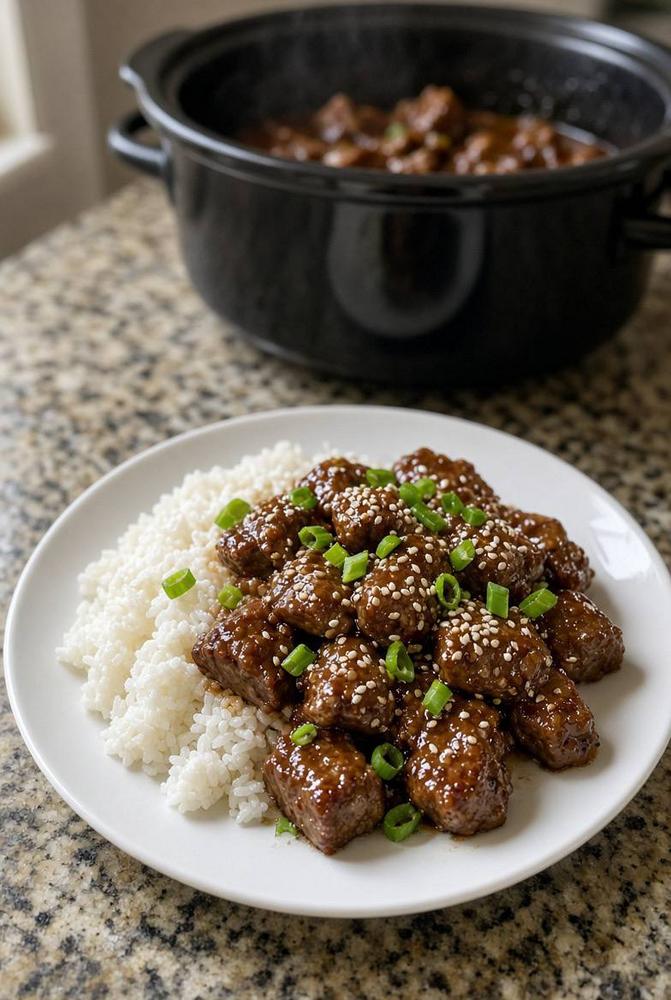
There’s a special kind of magic that happens when you combine the convenience of a slow cooker with the vibrant, irresistible flavors of Asian cuisine. Enter Slow Cooker Sesame Ginger Beef – a dish that embodies everything we love about hands-off cooking: incredibly tender meat, a rich and glossy sauce, and a comforting aroma that fills your kitchen. This isn’t just another weeknight meal; it’s a culinary escape, transforming humble ingredients into an extraordinary feast with minimal effort. Imagine coming home to fall-apart beef bathed in a sweet, savory, and tangy sauce, ready to be spooned over fluffy rice. It’s the ultimate set-it-and-forget-it solution for busy schedules, delivering restaurant-quality taste right to your dining table.
What makes this Slow Cooker Sesame Ginger Beef truly special is its harmonious blend of flavors. The robust notes of fresh ginger and garlic mingle with the nutty depth of sesame, balanced by the sweetness of honey or brown sugar and the savory umami of soy sauce. A hint of tanginess brightens the entire profile, creating a complex yet utterly approachable sauce that clings perfectly to every shred of beef. The slow cooking process ensures that the beef, whether it’s chuck roast or stew meat, becomes unbelievably tender, practically melting in your mouth. This recipe is designed for maximum flavor with minimum fuss, making it perfect for cozy family dinners, impressive gatherings, or simply for delicious meal prep throughout the week.
Prepare to be amazed by how easily you can achieve such profound flavors. This recipe guides you through each step, from selecting the perfect cut of beef to creating that signature glossy sauce. We’ll cover everything you need to know to make this dish a resounding success, ensuring you end up with tender, flavorful beef in a rich, aromatic sauce, beautifully garnished and ready to be enjoyed. Get ready to discover your new favorite slow cooker recipe – one that promises comfort, convenience, and an explosion of delicious sesame ginger goodness in every bite.
Nutritional Information
Per serving (approximate values):
- Calories: 480
- Protein: 45g
- Carbohydrates: 30g
- Fat: 20g
- Fiber: 2g
- Sodium: 950mg
Ingredients
- 2-3 pounds boneless beef chuck roast or stew beef, cut into 1-inch pieces
- 1/4 cup soy sauce (low sodium preferred)
- 2 tablespoons honey or brown sugar
- 1 tablespoon rice vinegar
- 1 tablespoon toasted sesame oil
- 1 tablespoon freshly grated ginger
- 4 cloves garlic, minced
- 1/2 teaspoon red pepper flakes (optional, for heat)
- 1/4 cup beef broth or water
- 2 tablespoons cornstarch (for thickening)
- 2 tablespoons cold water (for cornstarch slurry)
- 2 tablespoons olive oil or vegetable oil (for optional searing)
- Salt and freshly ground black pepper to taste
- For serving and garnish:
- Cooked white rice or brown rice
- 2 green onions (scallions), chopped
- 1 tablespoon sesame seeds
Instructions
- Prepare the Beef: Pat the beef pieces dry with paper towels. Season generously with salt and black pepper. If desired for extra flavor, heat 2 tablespoons of olive oil in a large skillet over medium-high heat. Brown the beef in batches for 2-3 minutes per side until a nice crust forms. Do not overcrowd the pan. Transfer the browned beef to the slow cooker insert. If skipping the browning step, simply place the raw beef pieces directly into the slow cooker.
- Make the Sauce: In a medium bowl, whisk together the soy sauce, honey (or brown sugar), rice vinegar, toasted sesame oil, grated ginger, minced garlic, red pepper flakes (if using), and beef broth (or water). Whisk until well combined and the honey/sugar is dissolved.
- Combine and Cook: Pour the prepared sauce over the beef in the slow cooker. Stir gently to ensure all the beef is coated.
- Slow Cook: Cover the slow cooker with the lid. Cook on LOW for 6-8 hours or on HIGH for 3-4 hours, or until the beef is incredibly tender and easily shredded with a fork. The cooking time may vary slightly depending on your slow cooker and the size of your beef pieces.
- Thicken the Sauce (Optional but Recommended): Once the beef is cooked, carefully remove the beef pieces from the slow cooker and set aside on a plate. Skim off any excess fat from the surface of the sauce in the slow cooker, if desired. In a small bowl, whisk together the 2 tablespoons of cornstarch with 2 tablespoons of cold water until a smooth slurry forms. Turn the slow cooker setting to HIGH (if not already there) or to the “Sauté” function if your model has one, or transfer the sauce to a saucepan on the stovetop over medium heat. Slowly pour the cornstarch slurry into the sauce, whisking constantly. Cook and whisk for 2-3 minutes, until the sauce thickens and becomes glossy.
- Return Beef to Sauce: Shred the cooked beef using two forks, or leave it in larger chunks if preferred. Return the shredded or chunky beef to the thickened sauce in the slow cooker or saucepan. Stir to coat the beef thoroughly with the glossy sauce.
- Serve: Serve the Slow Cooker Sesame Ginger Beef hot over a bed of fluffy white or brown rice.
- Garnish: Sprinkle generously with chopped green onions and sesame seeds before serving for a pop of freshness and nutty flavor.
Cooking Tips and Variations
Achieving the perfect Slow Cooker Sesame Ginger Beef is all about understanding a few key techniques and knowing how to customize it to your taste. Here are some tips for success and exciting variations to try.
Choosing the Right Beef Cut: While chuck roast is the superstar for slow cooking due to its marbling and ability to become incredibly tender, stew beef or even a bottom round roast cut into 1-inch cubes can work well. For a leaner option, sirloin can be used, but be mindful it might cook slightly faster and won’t have the same melt-in-your-mouth richness as chuck. Always cut your beef into uniform pieces to ensure even cooking.
The Art of Browning (Optional, but Highly Recommended): Searing the beef before it goes into the slow cooker isn’t strictly necessary, but it adds an incredible depth of flavor through the Maillard reaction. This browning creates complex, savory notes that elevate the final dish. Don’t overcrowd your pan; work in batches to get a good sear on all sides. If you’re short on time, you can skip this step, and the dish will still be delicious, just with a slightly less complex base flavor.
Fresh Aromatics are Key: For the best and most vibrant flavor, always use fresh ginger and garlic. Pre-minced ginger and garlic can be convenient, but they often lack the pungent, bright notes of their fresh counterparts. A microplane grater is excellent for quickly grating ginger.
Thickening the Sauce to Perfection: The cornstarch slurry is your secret weapon for that beautiful, glossy, clingy sauce. Make sure to mix the cornstarch with cold water before adding it to the hot sauce; this prevents lumps. If your sauce isn’t as thick as you like, you can always make another small slurry and add it gradually until you reach your desired consistency. Alternatively, if you prefer a thinner sauce, you can skip the thickening step entirely.
Adjusting Sweetness and Spice: The balance of sweet and savory is crucial in this dish. Taste your sauce after it’s cooked and adjust as needed. If you prefer it sweeter, add a little more honey or brown sugar. For a spicier kick, increase the red pepper flakes or add a dash of Sriracha or gochujang. A pinch of black pepper can also enhance the savory notes.
A Drizzle of Toasted Sesame Oil at the End: Toasted sesame oil is potent. Adding a small drizzle (about 1/2 to 1 teaspoon) at the very end, just before serving, will maximize its nutty, aromatic impact without overwhelming the dish. Its delicate flavor can be lost during long cooking times.
Vegetable Boost: Make this a one-pot meal by adding vegetables during the last hour of cooking. Broccoli florets, sliced bell peppers, snap peas, or carrots are excellent additions. They will cook to tender-crisp perfection in the flavorful sauce. You can also steam or stir-fry vegetables separately and serve them alongside for added texture and nutrition.
Different Serving Ideas: While rice is a classic pairing, don’t limit yourself! This beef is fantastic over noodles (udon, ramen, or even egg noodles), quinoa, cauliflower rice for a low-carb option, or even wrapped in lettuce cups for a fresh, crunchy bite. It also makes incredible sandwiches or sliders.
Make it Gluten-Free: Easily adapt this recipe by using tamari instead of soy sauce. Ensure your beef broth is also gluten-free. All other ingredients are typically naturally gluten-free.
Citrus Brightness: A squeeze of fresh lime or orange juice just before serving can add a wonderful bright, zesty note that cuts through the richness of the beef and sauce. It’s a small addition that makes a big impact.
Storage and Reheating
One of the best things about slow cooker meals is how wonderfully they store and reheat, making them perfect for meal prep or enjoying delicious leftovers throughout the week. This Slow Cooker Sesame Ginger Beef is no exception.
Storage:
- Refrigeration: Allow the beef and sauce to cool completely before transferring them to an airtight container. Store in the refrigerator for up to 3-4 days. It’s best to store the beef and sauce separately from the rice, if possible, to maintain the best texture of both.
- Freezing: This dish freezes exceptionally well. Once cooled, transfer the beef and sauce to freezer-safe containers or heavy-duty freezer bags. Remove as much air as possible to prevent freezer burn. It can be stored in the freezer for up to 2-3 months. Thaw overnight in the refrigerator before reheating.
Reheating:
- Microwave: For individual portions, place the desired amount of beef and sauce in a microwave-safe dish. Cover loosely and heat on medium power for 2-3 minutes, stirring halfway through, until heated through. Add a splash of water or broth if the sauce seems too thick.
- Stovetop: For larger quantities or to achieve a more even reheat, transfer the beef and sauce to a saucepan or skillet. Heat over medium-low heat, stirring occasionally, until simmering and thoroughly warmed. If the sauce has thickened too much during storage, add a tablespoon or two of beef broth or water to loosen it to your desired consistency.
- Oven: If reheating a large batch, you can place the beef and sauce in an oven-safe dish, cover it with foil, and bake at 300°F (150°C) for 20-30 minutes, or until heated through. This method is especially good if you want to keep the beef from drying out.
When reheating, always ensure the beef reaches an internal temperature of 165°F (74°C) for food safety. The flavors of this dish often deepen and meld even further after a day or two in the refrigerator, making leftovers a truly delightful experience.
Frequently Asked Questions
Can I put raw beef in the slow cooker without browning it first?
Yes, absolutely! While browning the beef before slow cooking adds an extra layer of rich, savory flavor (due to the Maillard reaction), it is an optional step. If you’re short on time or prefer a simpler approach, you can place the raw beef directly into the slow cooker with the sauce ingredients. The dish will still be incredibly tender and delicious, just with a slightly less complex flavor profile.
What if my sauce isn’t thick enough at the end of cooking?
It’s common for slow cooker sauces to be a bit thin because there’s little evaporation. To thicken your sauce, simply create a cornstarch slurry. Whisk together 2 tablespoons of cornstarch with 2 tablespoons of cold water until smooth. After removing the beef, stir this slurry into the hot sauce in the slow cooker (on high heat) or in a saucepan over medium heat on the stovetop. Whisk constantly for 2-3 minutes until the sauce simmers and thickens to your desired consistency. You can add more slurry if needed, one tablespoon at a time.
Can I add vegetables to this slow cooker recipe?
Definitely! Adding vegetables is a great way to make this a more complete meal. Heartier vegetables like carrots or bell peppers can be added during the last 1-2 hours of cooking. More delicate vegetables such as broccoli florets, snap peas, or sliced mushrooms are best added during the last 30-60 minutes of cooking to ensure they cook through but retain some texture and don’t become mushy. Alternatively, you can steam or stir-fry vegetables separately and serve them alongside the beef.