Introduction
There’s a certain magic that fills the air during the holidays, and for many, that magic is deeply intertwined with the aroma of a freshly baked Christmas cake. But let’s be honest, the thought of tackling a traditional fruit cake can often feel daunting, conjuring images of weeks of preparation, endless soaking, and complicated steps. This year, we’re here to banish those fears and invite you into the joyous world of homemade Christmas cake, without any of the fuss. Prepare to discover our “Christmas Cake – EASY Moist Fruit Cake” recipe, designed to bring all the rich, festive flavors you adore with a simplified process that fits perfectly into your busy holiday schedule.
What makes this recipe truly special? The “EASY” part means less stress and more enjoyment. We’ve streamlined the method without compromising on flavor or texture, ensuring that even novice bakers can achieve a show-stopping result. The secret to its “MOIST” perfection lies in a careful balance of ingredients and a smart technique that locks in incredible juiciness, preventing the dreaded dry, crumbly fruit cake. Each bite is a symphony of plump, liquor-infused fruits, crunchy nuts, and warm, aromatic spices, all suspended in a dense yet tender crumb that practically melts in your mouth. This isn’t just a cake; it’s a celebration of tradition made accessible, a delightful centerpiece for your holiday table, and a perfect gift from the heart.
Christmas cake holds a cherished place in festive traditions worldwide, symbolizing abundance, warmth, and togetherness. From its medieval origins as a plum porridge to the rich, fruit-laden cakes we know today, it has evolved into an iconic holiday treat. Our recipe honors this heritage by delivering that classic, comforting taste, but with a modern twist that prioritizes simplicity. Forget the endless waiting; this cake is designed for deliciousness, whether you bake it a week ahead or just a few days before your festive gathering. Get ready to create a truly memorable Christmas cake that will have everyone asking for the recipe – and they won’t believe how easy it was!
Nutritional Information
Per serving (approximate values):
- Calories: 420
- Protein: 5g
- Carbohydrates: 65g
- Fat: 17g
- Fiber: 4g
- Sodium: 180mg
Ingredients
- 200g (1 ¼ cups) dried cranberries
- 200g (1 ¼ cups) dark raisins
- 100g (⅔ cup) dried currants
- 50g (½ cup) chopped glacé cherries (optional, for extra color)
- 100g (1 cup) chopped walnuts
- 50g (½ cup) chopped pecans
- 150ml (⅔ cup) orange juice, apple juice, or cold strong tea (or brandy/rum for traditional)
- 225g (1 cup) unsalted butter, softened
- 200g (1 cup) dark brown sugar, packed
- 4 large eggs, at room temperature
- 250g (2 cups) all-purpose flour
- 1 teaspoon baking powder
- ½ teaspoon baking soda
- 1 teaspoon ground cinnamon
- ½ teaspoon ground nutmeg
- ¼ teaspoon ground cloves
- ¼ teaspoon ground allspice
- Pinch of salt
- 2 tablespoons black treacle or molasses (optional, for deeper color and flavor)
- Zest of 1 orange
- 2 tablespoons extra brandy or rum for ‘feeding’ (optional)
Instructions
- Prepare the Fruits: In a large, heatproof bowl, combine the dried cranberries, dark raisins, dried currants, glacé cherries (if using), walnuts, and pecans. Pour the orange juice (or chosen liquid) over the fruit and nuts. Cover the bowl and let it soak for at least 4 hours, or preferably overnight, at room temperature. This step is crucial for plumping up the fruits and ensuring a moist cake.
- Preheat Oven and Prepare Tin: Preheat your oven to 150°C (300°F). Lightly grease a 20cm (8-inch) round cake tin. Line the bottom and sides with a double layer of baking parchment, ensuring the parchment stands about 5cm (2 inches) above the rim of the tin. You can secure the parchment with string if needed.
- Cream Butter and Sugar: In a very large mixing bowl, using an electric mixer or a stand mixer with the paddle attachment, cream together the softened butter and dark brown sugar until light, fluffy, and pale in color. This usually takes 3-5 minutes.
- Add Eggs: Beat in the eggs one at a time, mixing well after each addition until fully incorporated. If the mixture looks like it’s curdling, add a tablespoon of flour from the measured amount and continue mixing. Stir in the orange zest and black treacle/molasses (if using).
- Combine Dry Ingredients: In a separate medium bowl, whisk together the all-purpose flour, baking powder, baking soda, ground cinnamon, ground nutmeg, ground cloves, ground allspice, and salt.
- Fold in Dry Ingredients: Gradually add the dry ingredients to the wet mixture, mixing on low speed or by hand with a wooden spoon until just combined. Be careful not to overmix, as this can lead to a tough cake.
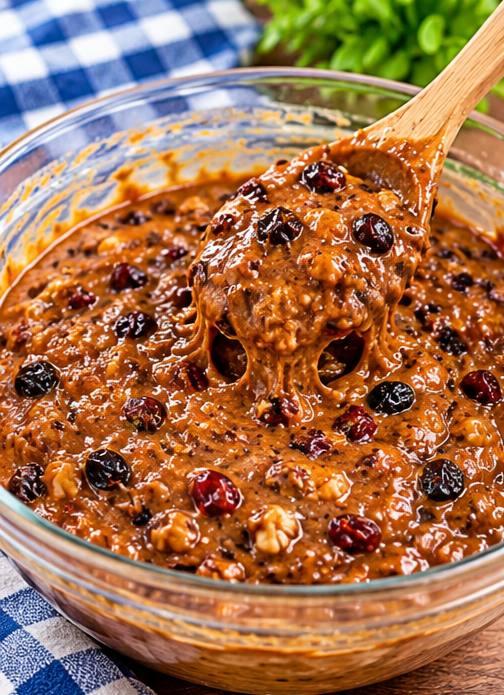
- Incorporate Fruits and Nuts: Drain any excess liquid from the soaked fruits and nuts (there shouldn’t be much if soaked correctly). Toss the soaked fruit and nut mixture with 1 tablespoon of the remaining flour from the measured amount. This helps prevent the fruit from sinking to the bottom of the cake. Gently fold the floured fruit and nut mixture into the cake batter until evenly distributed. The batter will be very thick and laden with fruit.
- Fill the Cake Tin: Spoon the thick batter into the prepared cake tin. Use the back of a spoon or a spatula to gently level the top. Create a slight dip in the center of the batter; this helps the cake bake more evenly and prevents a domed top.
- Bake the Cake: Place the cake tin in the preheated oven. Bake for approximately 2 to 2.5 hours. To prevent the top from browning too much, you can loosely cover the top of the cake with a piece of foil after about 1.5 hours of baking.
- Check for Doneness: The cake is done when a skewer inserted into the center comes out clean or with just a few moist crumbs attached. If it comes out wet, continue baking for another 15-20 minutes and recheck.
- Cool the Cake: Once baked, remove the cake from the oven. Leave it in the tin to cool completely on a wire rack. This slow cooling process helps to retain moisture.
- Optional ‘Feeding’: Once the cake is completely cool, you can ‘feed’ it with brandy or rum. Poke several holes in the top of the cake with a skewer and drizzle 2 tablespoons of your chosen alcohol over the top. Cover the cake tightly in its parchment and then in foil, and store it in an airtight container. Repeat this ‘feeding’ process weekly if you desire, up to 2-3 times, for an even richer, more mature flavor.
Cooking Tips and Variations
To ensure your “EASY Moist Fruit Cake” lives up to its name, consider these essential tips and delightful variations. Firstly, the quality of your dried fruits truly matters. Opt for fresh, plump dried fruits from a reputable source, as old, dry fruits will absorb too much moisture from your cake batter, leading to a less-than-moist result. If your fruits seem particularly dry, you can warm the soaking liquid slightly before adding the fruits to help them plump up more effectively. Don’t skip the step of tossing the soaked fruits with a tablespoon of flour before adding them to the batter; this simple trick is a game-changer for preventing the fruits and nuts from sinking to the bottom of your cake, ensuring an even distribution in every slice.
When it comes to baking, resist the urge to open the oven door frequently, especially during the first hour and a half. Constant temperature fluctuations can cause the cake to sink. Trust your oven and the recommended baking time, only checking for doneness towards the end. A common pitfall for fruit cakes is overbaking, which is the quickest way to a dry cake. Always err on the side of slightly underbaked rather than overbaked. A skewer should come out clean or with a few moist crumbs, not wet batter. If the top is browning too quickly, a loose foil tent is your friend; it protects the crust while allowing the interior to cook through.
For variations, feel free to customize the fruit and nut blend to your heart’s content. Swap out some of the raisins for golden sultanas, add candied peel for a more traditional zest, or incorporate dried figs or apricots for different textures and flavors. If you’re not a fan of walnuts or pecans, blanched almonds or even hazelnuts make excellent substitutes. For a citrusy twist, add the zest of a lemon along with the orange zest. If you’re making this for a non-alcoholic household, the orange juice or strong tea is perfect, but for those who enjoy it, a good quality brandy, dark rum, or even an orange liqueur will add a wonderful depth of flavor and contribute to the cake’s longevity and moistness. You can also experiment with your spice blend – a touch of ground ginger or cardamom can add another layer of warmth. Lastly, while the ‘feeding’ with alcohol is optional for an “easy” cake, even one or two applications a few days before serving can significantly enhance the flavor and moisture, truly transforming it into a more complex and festive treat.
Storage and Reheating
Proper storage is key to enjoying your “EASY Moist Fruit Cake” for an extended period, especially since fruit cakes are known for their longevity. Once the cake has completely cooled, it’s crucial to wrap it meticulously. First, wrap the entire cake, still in its parchment paper lining, in at least two layers of plastic wrap. Then, wrap it again tightly in aluminum foil. This triple layer of protection prevents air from reaching the cake, which is the main cause of drying out. Once wrapped, store the cake in an airtight container or tin at room temperature in a cool, dark place, such as a pantry. Stored this way, your Christmas cake will stay wonderfully moist and flavorful for up to 2-3 weeks, and even longer if it has been ‘fed’ with alcohol, as the alcohol acts as a preservative. For longer storage, up to 2-3 months, you can freeze the tightly wrapped cake. Ensure it’s fully thawed in the refrigerator overnight before bringing it to room temperature to serve.
Reheating fruit cake is generally not necessary or recommended, as it is traditionally served at room temperature. The beauty of a good fruit cake is its dense, moist texture that is best appreciated without warming. Heating can sometimes cause the fruit to become too soft or the cake to dry out slightly. However, if you prefer a warm slice, perhaps to serve with a dollop of cold cream or custard, you can gently warm individual slices. Place a slice on a microwave-safe plate and microwave on low power for 10-15 seconds, just until slightly warm to the touch. Alternatively, you can warm it in a preheated oven at 150°C (300°F) for about 5-7 minutes, wrapped loosely in foil to prevent further drying. Be very careful not to overheat it, as this will compromise the moistness and texture you worked so hard to achieve. For serving, simply unwrap the cake, slice it generously, and enjoy it plain or with traditional accompaniments like a spoonful of brandy butter, a drizzle of custard, or a dollop of clotted cream.
Frequently Asked Questions
Can I make this Christmas cake ahead of time?
Absolutely, and in fact, it’s highly recommended! Fruit cakes, including this “EASY Moist Fruit Cake,” actually improve with age. Making it 1-2 weeks in advance allows the flavors to meld and deepen, resulting in a richer, more complex taste. If you choose to ‘feed’ it with alcohol, doing so over a few weeks will further enhance its flavor and moistness. Just be sure to store it properly wrapped in a cool, dark place.
What can I use instead of alcohol if I prefer a non-alcoholic cake?
For a delicious non-alcoholic version, you have several great options. Instead of brandy or rum for soaking the fruits, use orange juice, apple juice, cold strong black tea, or even a good quality cranberry juice. These liquids will plump up the fruits beautifully and infuse them with their own complementary flavors. For the optional ‘feeding’ step, simply omit it or use a little extra orange juice, though the cake will still be wonderfully moist without it.
My fruit cake often turns out dry. How does this recipe ensure a moist result?
This recipe focuses on several key factors to guarantee a moist fruit cake. Firstly, the initial soaking of the dried fruits in liquid ensures they are plump and hydrated before baking, preventing them from absorbing moisture from the batter. Secondly, the generous amount of butter and brown sugar in the batter contributes significantly to moisture. Thirdly, the use of baking soda alongside baking powder helps create a tender crumb. Finally, and crucially, it’s vital not to overbake the cake. Baking at a lower temperature for a longer period and checking for doneness with a skewer are essential steps to prevent dryness.
Can I add different types of fruit or nuts to this recipe?
Yes, this recipe is incredibly versatile and encourages customization! Feel free to experiment with your favorite dried fruits such as dried figs, apricots, prunes, or even candied peel for a more traditional flavor. For nuts, blanched almonds, hazelnuts, or even cashews can be used in place of or in addition to walnuts and pecans. Just ensure the total weight of the fruits and nuts remains roughly the same as specified in the recipe to maintain the right balance in the batter.