Instructions
- Preheat your oven to 325°F (160°C). Grease and flour a 10-12 cup bundt pan thoroughly, ensuring every crevice is coated to prevent sticking.
- In a large bowl, whisk together the all-purpose flour, granulated sugar, baking powder, baking soda, and salt. Set aside.
- In a separate large mixing bowl, using an electric mixer on medium speed, cream together the softened butter until light and fluffy, about 2-3 minutes.
- Add the eggs one at a time, beating well after each addition until fully incorporated. Scrape down the sides of the bowl as needed.
- Stir in the vanilla extract and lemon zest until just combined.
- With the mixer on low speed, gradually add the dry ingredients to the wet ingredients, alternating with the 7UP and buttermilk, beginning and ending with the dry ingredients. Mix until just combined and no streaks of flour remain. Be careful not to overmix, as this can lead to a tough cake.
- Pour the cake batter evenly into the prepared bundt pan. Gently tap the pan on the counter a few times to release any air bubbles.
- Bake for 55-65 minutes, or until a wooden skewer or toothpick inserted into the center of the cake comes out clean. The cake should be golden brown and spring back when lightly touched.
- Once baked, remove the bundt pan from the oven and let the cake cool in the pan on a wire rack for 10-15 minutes. This allows the cake to firm up slightly before inverting.
- After 10-15 minutes, carefully invert the bundt cake onto the wire rack to cool completely. It’s crucial for the cake to be fully cool before glazing to prevent the glaze from melting and becoming too thin.
- While the cake cools, prepare the glaze. In a medium bowl, whisk together the sifted powdered sugar and fresh lemon juice until smooth. If the glaze is too thick, add 7UP one tablespoon at a time until you reach a pourable, but still thick, consistency.
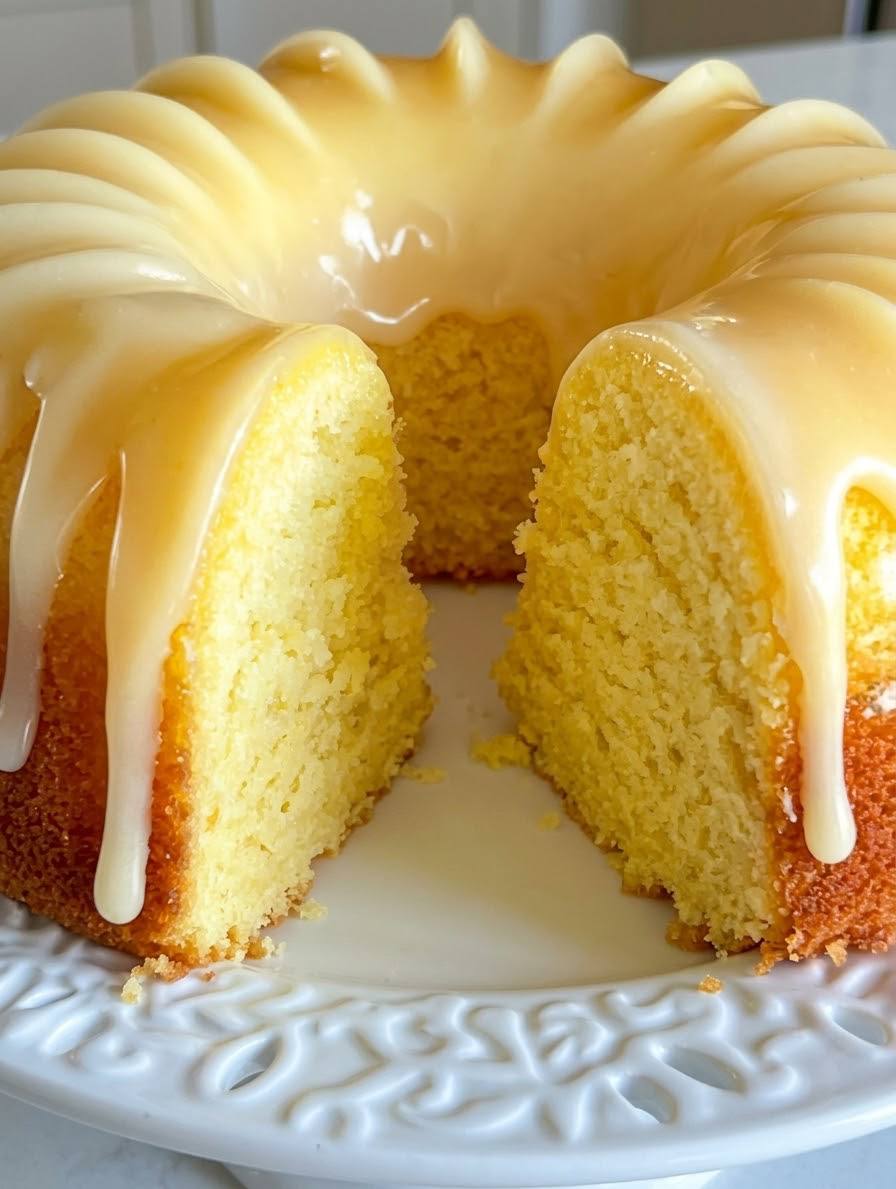
- Once the cake is completely cool, place the wire rack over a baking sheet or parchment paper to catch any drips. Evenly pour or drizzle the lemon glaze over the top of the cake, allowing it to cascade down the fluted sides.
- Let the glaze set for at least 15-20 minutes before slicing and serving.
Cooking Tips and Variations
Achieving the perfect Lemon 7UP Cake is all about paying attention to a few key details and knowing how to adapt. First and foremost, ensure all your cold ingredients, especially the butter, eggs, 7UP, and buttermilk, are at room temperature. This is not just a suggestion; it’s a crucial step that allows ingredients to emulsify properly, creating a smoother batter and a more uniform, tender crumb. Cold ingredients can lead to a lumpy batter and a denser cake. When creaming butter and sugar, take your time – it should be light, fluffy, and pale yellow, incorporating air that helps with the cake’s lift. Overmixing the batter once the flour is added is a common pitfall; mix only until the ingredients are just combined. Streaks of flour are okay, but over-developing the gluten will result in a tough cake. For the bundt pan, thorough greasing and flouring are non-negotiable. Using a baking spray with flour is highly recommended for intricate bundt designs, ensuring an easy release and a beautifully intact cake. If you don’t have buttermilk, you can easily make your own by adding 1/2 tablespoon of lemon juice or white vinegar to 1/2 cup of milk and letting it sit for 5 minutes until it slightly curdles.
For variations, the possibilities are endless. To enhance the lemon flavor even further, consider adding an additional teaspoon of lemon extract to the cake batter. For a delightful texture contrast, fold in 1/4 cup of poppy seeds with the dry ingredients, creating a classic lemon poppy seed 7UP cake. If you’re a fan of berries, gently fold in 1 cup of fresh blueberries or raspberries into the batter just before pouring it into the pan; the tartness of the berries pairs wonderfully with the sweet lemon. You could also experiment with other citrus zests – orange or lime zest can offer a different, yet equally delicious, flavor profile. For a slightly different glaze, a cream cheese glaze (powdered sugar, softened cream cheese, milk, and a touch of lemon juice) can add a rich, tangy counterpoint. If you prefer a less sweet glaze, reduce the amount of powdered sugar slightly and increase the lemon juice. For a festive touch, garnish the finished cake with candied lemon slices or fresh berries. Remember, baking is an art, and these tips and variations are your tools to customize this already fantastic recipe to your personal taste and occasion.
Storage and Reheating
Proper storage is key to keeping your Easy Lemon 7UP Cake fresh and delicious for as long as possible. Once the cake has completely cooled and the glaze has set, it should be stored in an airtight container at room temperature. This will keep the cake moist and prevent it from drying out. Stored this way, the cake will remain fresh for 3-4 days. For longer storage, you can refrigerate the cake. Wrap it tightly in plastic wrap first, then place it in an airtight container. In the refrigerator, it will last for up to a week. Be aware that refrigeration can sometimes alter the texture slightly, making the cake a bit firmer, but it will still be delicious.
If you wish to store the cake for an extended period, it freezes beautifully. Once the cake is completely cool and the glaze is set, wrap individual slices or the entire cake (if unglazed, or if you don’t mind the glaze potentially becoming slightly sticky upon thawing) tightly in plastic wrap, then an additional layer of aluminum foil. Place the wrapped cake in a freezer-safe bag or container. It can be frozen for up to 2-3 months. To reheat or thaw, remove the desired portion from the freezer. If frozen whole, allow it to thaw at room temperature for several hours or overnight in the refrigerator. Individual slices will thaw more quickly at room temperature, typically within an hour or two. You can also gently warm individual slices in the microwave for 15-30 seconds for a slightly warm, soft cake, though it’s equally delightful served at room temperature.
Frequently Asked Questions
Can I use a different lemon-lime soda besides 7UP?
Absolutely! While the recipe specifies 7UP, you can easily substitute it with other lemon-lime sodas like Sprite, Sierra Mist, or even a store-brand equivalent. The key is the carbonation and the lemon-lime flavor profile, which contributes to the cake’s moisture and subtle zestiness. The results will be very similar, so feel free to use whichever brand you have on hand or prefer.
My cake stuck to the bundt pan. What went wrong?
Sticking is a common issue with bundt cakes, often due to inadequate greasing and flouring of the pan. Ensure you thoroughly coat every crevice of your bundt pan with butter or shortening, then dust generously with flour, tapping out any excess. A baking spray specifically designed for baking, which contains flour, is also an excellent option and often provides the best release. Additionally, make sure you allow the cake to cool in the pan for the recommended 10-15 minutes before inverting; trying to release it too soon can cause it to break apart.
Can I make this cake in a different pan, like a regular round cake pan?
Yes, you can adapt this recipe for other pan types, but you’ll need to adjust baking times. For two 8-inch or 9-inch round cake pans, the baking time will likely be closer to 30-35 minutes. For a 9×13-inch rectangular pan, it might take 40-50 minutes. Always check for doneness with a toothpick inserted into the center. Be aware that the aesthetic appeal of the bundt shape and its ability to hold a generous glaze will be different, but the flavor will still be fantastic.
My glaze is too thin/thick. How can I fix it?
The consistency of your glaze is easy to adjust. If your glaze is too thin and runny, gradually whisk in more sifted powdered sugar, a tablespoon at a time, until it reaches your desired pourable but thick consistency. If the glaze is too thick and won’t drizzle smoothly, add a very small amount (half a teaspoon at a time) of additional lemon juice or 7UP, whisking well after each addition, until it thins out appropriately. You want it to be thick enough to coat the cake but thin enough to drip attractively down the sides.