Instructions
- Prepare Your Pan: Preheat your oven to 325°F (160°C). Grease and line the bottom of an 8-inch springform pan with parchment paper. For baking in a water bath, wrap the outside of the springform pan tightly with several layers of aluminum foil to prevent water from seeping in. Set aside.
- Create the Cream Cheese Base: In a heatproof bowl set over a saucepan of simmering water (bain-marie), combine the softened cream cheese, unsalted butter, and whole milk. Stir constantly until the mixture is smooth, melted, and well combined. Remove from heat and let it cool slightly for about 5 minutes.
- Incorporate Egg Yolks and Sugar: To the slightly cooled cream cheese mixture, add the 6 egg yolks, 60g of granulated sugar, lemon zest (if using), and vanilla extract or paste. Whisk until fully incorporated and smooth.
- Add Dry Ingredients: Sift the cake flour directly into the cream cheese-yolk mixture. Whisk gently until just combined and smooth. Be careful not to overmix at this stage; overmixing can develop gluten and make the cake tough. Set the base mixture aside.
- Whip the Meringue: In a very clean, dry large mixing bowl (preferably metal or glass), add the 6 egg whites. Ensure there is no trace of yolk or grease, as this will prevent the whites from whipping properly. Begin whipping the egg whites on medium speed. Once they become foamy, add the cream of tartar (if using). Gradually add the remaining 120g of granulated sugar, one tablespoon at a time, while continuing to whip on medium-high speed.
- Achieve Stiff Peaks: Continue whipping until the meringue is glossy and forms stiff peaks. When you lift the whisk, the peak should hold its shape firmly but still have a slight curl at the tip. Do not overbeat, or the meringue will become dry and granular.
- Lighten the Base: Add about one-third of the meringue to the cream cheese base mixture. Gently fold it in with a spatula to lighten the base. This step helps to equalize the densities of the two mixtures, making it easier to incorporate the remaining meringue without deflating it.
- Fold in Remaining Meringue: Add the rest of the meringue to the lightened base. Using a spatula, carefully fold the meringue into the batter using a gentle, sweeping motion from the bottom up, rotating the bowl as you go. Be delicate to preserve as much air as possible in the meringue. Stop folding as soon as no streaks of egg white remain; overfolding will deflate the batter.
- Pour into Pan: Pour the cloud cake batter into the prepared springform pan. Gently tap the pan on the counter a few times to release any large air bubbles.
- Prepare Water Bath and Bake: Place the springform pan into a larger roasting pan. Carefully pour hot water into the roasting pan until it comes about halfway up the sides of the springform pan.
- Carefully transfer the roasting pan with the cake to the preheated oven. Bake for 60-70 minutes, or until the cake is golden brown on top, puffed up, and a skewer inserted into the center comes out clean or with moist crumbs attached. The top should feel set but still have a slight jiggle.
- Cool Gradually: Once baked, turn off the oven and leave the oven door ajar (you can prop it open with a wooden spoon) for about 15-20 minutes. This gradual cooling prevents the cake from deflating too rapidly.
- Final Cooling: Remove the cake from the oven and the water bath. Carefully unwrap the foil from the springform pan. Let the cake cool completely on a wire rack before attempting to unmold it. The cake will naturally deflate slightly as it cools, which is normal.
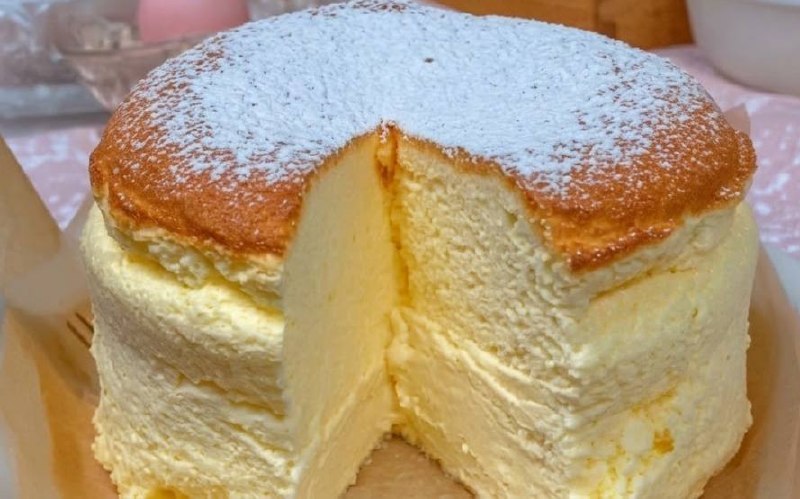
- Serve: Once completely cool, carefully run a thin knife around the edge of the pan before releasing the springform sides. Transfer the cake to a serving plate. Dust generously with powdered sugar just before serving.
Cooking Tips and Variations
For the truly cloud-like texture, ensuring your ingredients are at room temperature is paramount. Cold cream cheese and butter will result in a lumpy base, and cold egg whites won’t whip to their full volume. Always plan ahead! When whipping egg whites, make sure your bowl and whisk are impeccably clean and free of any grease or egg yolk, as even a tiny speck can prevent them from reaching stiff peaks. The cream of tartar is an excellent stabilizer for meringue, especially if you’re new to meringue-making, helping it hold its structure. When it comes to folding, think of it as gently incorporating air, not mixing. Use a light hand and a figure-eight motion to preserve the precious air bubbles. Overmixing after adding flour or folding in egg whites is the quickest way to a dense cake, so stop as soon as everything is just combined. The water bath is non-negotiable for this cake; it provides a moist, even baking environment that prevents cracking and ensures the cake cooks gently and evenly, contributing to its signature silky texture. Don’t be tempted to open the oven door during the first 45 minutes of baking, as sudden temperature changes can cause the cake to collapse. Patience is a virtue when baking this delicate dessert.
To vary your Cloud Cake, consider infusing different flavors. A tablespoon of finely grated orange zest can replace lemon zest for a different citrus note. For chocolate lovers, gently fold in 2 tablespoons of unsweetened cocoa powder (sifted) with the flour for a subtle chocolate cloud. A teaspoon of almond extract can add a delightful nutty aroma. For a richer vanilla flavor, use vanilla bean paste instead of extract. You can also experiment with different toppings beyond powdered sugar; a light berry compote or a drizzle of caramel sauce can elevate the experience. For a truly decadent treat, serve it with a dollop of freshly whipped cream. Remember, the base recipe is perfect as is, but these variations offer exciting ways to customize your cloud cake to your preferences.
Storage and Reheating
To store your Delicious Cloud Cake, ensure it has cooled completely. Cover it loosely with plastic wrap or place it in an airtight container. It can be stored in the refrigerator for up to 3-4 days. Because of its delicate nature, it’s best enjoyed within the first two days for optimal texture. Freezing is generally not recommended as it can alter the delicate, airy texture upon thawing, potentially making it a bit more dense or crumbly. If you must freeze it, wrap individual slices tightly in plastic wrap and then in aluminum foil, and store for up to one month. Thaw overnight in the refrigerator.
Reheating this cake is generally not necessary or recommended. It is best served chilled or at room temperature, as its light, airy texture is most apparent when cool. Reheating in a microwave can cause it to become rubbery or deflate significantly. If you prefer it slightly warm, you could gently warm a slice for a very short period (10-15 seconds) in the microwave, but be very cautious not to overheat it, as it will lose its signature cloud-like quality.
Frequently Asked Questions
Why did my Cloud Cake crack on top?
Cracking is a common issue with soufflé-style cheesecakes and is usually due to uneven baking or too rapid a temperature change. Ensure you are using a water bath (bain-marie) as instructed, which provides a moist, even cooking environment. Also, avoid opening the oven door during baking, and allow the cake to cool gradually inside the turned-off oven with the door ajar before removing it. Overbaking can also cause cracks, so keep an eye on the baking time.
My Cloud Cake deflated significantly after baking. What went wrong?
Some deflation is normal for this type of cake, but excessive deflation usually indicates that the meringue wasn’t properly incorporated or was overfolded, causing too much air to be lost. It could also happen if the cake was underbaked, causing the structure to be too weak to support itself, or if it was removed from the oven too quickly, experiencing a sudden temperature shock. Ensure your meringue is stable (stiff peaks) and that you fold it gently and just until combined.
Can I make this cake without a springform pan?
While a springform pan is ideal for easy release and maintaining the cake’s delicate structure, you can use a regular 8-inch round cake pan. You will need to line the bottom and sides with parchment paper, leaving an overhang to help lift the cake out once it’s completely cooled. Be very gentle when removing it, as the cake is quite fragile.
What type of cream cheese should I use?
Always use full-fat block cream cheese, not the spreadable kind that comes in a tub. The block cream cheese has a firmer consistency and lower water content, which is essential for the structure and richness of the cake. Ensure it’s softened to room temperature for a smooth, lump-free batter.