Instructions
- In a heavy-bottomed saucepan, combine the water (and milk, if using) and the optional pinch of salt. Bring the liquid to a rolling boil over medium-high heat.
- Once boiling, gradually whisk in the cornmeal in a slow, steady stream. Continue whisking constantly to prevent lumps from forming.
- Reduce the heat to low, cover the saucepan, and simmer gently for 20-25 minutes, stirring every 5 minutes to prevent sticking to the bottom. The cornmeal mixture should thicken to a very stiff porridge consistency. If it becomes too thick to stir, add a tablespoon or two of hot water.
- Remove the saucepan from the heat and stir in the 2 tablespoons of granulated sugar.
- Lightly grease an 8×8 inch baking dish or a shallow pan. Spoon the hot cornmeal mixture into the prepared dish, spreading it evenly with a spatula to about a 1-inch thickness.
- Allow the cornmeal mush to cool completely at room temperature, then cover it with plastic wrap and refrigerate for at least 2 hours, or preferably overnight, until it is firm and fully set. This step is crucial for easy cutting and frying.
- Once thoroughly chilled and firm, carefully invert the cornmeal block onto a clean cutting board. Using a sharp knife, cut the block into desired shapes, typically 2-inch squares or rectangles.
- In a large skillet or cast-iron pan, heat the vegetable oil, lard, or butter over medium heat. You’ll know it’s ready when a small piece of cornmeal dropped in sizzles immediately.
- Carefully place the cornmeal squares into the hot oil, making sure not to overcrowd the pan. Fry in batches if necessary.
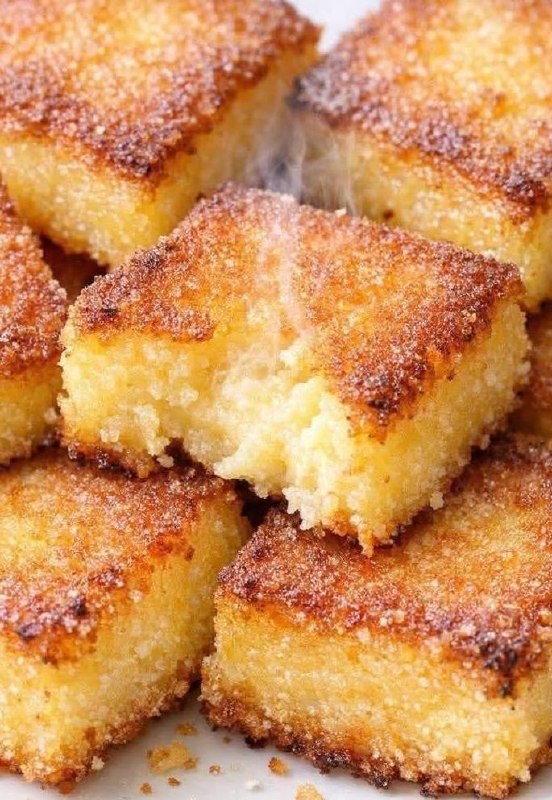
- Cook for 4-6 minutes per side, or until each fritter is deeply golden brown and crispy. The edges should be nicely caramelized.
- Once cooked, remove the fritters from the pan with a slotted spatula and place them on a plate lined with paper towels to drain any excess oil.
- While still warm, generously dust the fritters with additional granulated sugar. For an extra touch, you can mix a pinch of cinnamon with the sugar.
- Serve immediately and enjoy this taste of history!
Cooking Tips and Variations
Achieving the perfect Depression-era breakfast fritter is all about technique and a little bit of love. For that coveted crispy exterior and tender interior, pay close attention to your frying temperature. Ensure your oil is hot enough, but not smoking – medium heat is usually ideal. If the oil isn’t hot enough, the fritters will absorb too much fat and become greasy; if it’s too hot, they’ll burn before cooking through. Don’t overcrowd the pan, as this lowers the oil temperature and leads to steaming rather than frying. Fry in batches, giving each fritter plenty of space to get beautifully golden and crisp. Using a heavy-bottomed skillet, especially cast iron, will help maintain a consistent temperature for even browning.
When it comes to sweetness, you have full control. The initial 2 tablespoons of sugar stirred into the mush provide a subtle sweetness throughout. The generous dusting of sugar at the end is what gives them that classic Depression-era charm and satisfying sweet crunch. Feel free to adjust the amount of sugar in the mush to your preference, and be as liberal or conservative as you like with the final dusting. For an extra layer of flavor, mix a pinch of ground cinnamon, nutmeg, or even a tiny bit of allspice with your dusting sugar. A drizzle of maple syrup, molasses, or a spoonful of fruit preserves can also elevate the experience, though these might have been considered luxuries during the Depression.
For a richer, creamier texture in the finished mush, substitute some or all of the water with milk. This will yield a slightly softer fritter with a less pronounced corn flavor. If you’re feeling adventurous, or simply want to explore the savory side of these versatile fritters, omit the sugar from the initial mush entirely. After frying, serve them alongside a fried egg, crispy bacon, or even with a sprinkle of cheese and a dollop of applesauce. During the Depression, these fritters were often served with whatever was available – a simple gravy, a bit of stewed fruit, or just plain. You can also experiment with adding a tiny bit of finely chopped onion or a pinch of dried herbs to the mush for a savory twist before chilling.
The type of cornmeal you use can also impact the final texture. Fine-grind cornmeal will result in a smoother, more uniform fritter, while medium-grind will offer a slightly coarser, more rustic texture. Both work wonderfully, so choose what you prefer or what’s available. Remember that the chilling step is non-negotiable; don’t skip it! A properly chilled and firm block of cornmeal mush is essential for clean cuts and successful frying without the fritters falling apart. If you’re short on time, you can place the pan in the freezer for about 30-45 minutes to speed up the chilling process, but ensure it’s still firm throughout before cutting.
Finally, consider the frying fat. While vegetable oil is common today, lard or bacon grease would have been frequently used during the Depression, imparting a distinct, savory depth of flavor. If you’re not vegetarian, trying lard can give you a more authentic taste experience. Butter can also be used for frying, offering a rich, nutty flavor, but it has a lower smoke point, so watch your heat carefully to prevent burning. No matter your choice, make sure you have enough fat in the pan to adequately brown the fritters without them drying out. Embrace the simplicity and enjoy the journey back in time with this enduring classic.
Storage and Reheating
These Depression-era breakfast fritters are best enjoyed fresh, hot, and crispy right after frying. However, if you happen to have leftovers, they can be stored and reheated. Allow any leftover fritters to cool completely to room temperature before storing them. Place them in an airtight container, separated by layers of parchment paper to prevent sticking, and refrigerate for up to 3-4 days. Storing them uncovered can lead to them drying out.
When it comes to reheating, the goal is to bring back some of that original crispiness. Avoid the microwave, as it will make the fritters soft and somewhat rubbery. The best method for reheating is in a toaster oven or a conventional oven. Preheat your oven to 350°F (175°C) and arrange the fritters in a single layer on a baking sheet. Reheat for 10-15 minutes, or until they are heated through and the edges have crisped up again. You can also reheat them in a dry skillet over medium heat for a few minutes per side, which will also help restore some of their crisp texture. If you have an air fryer, that’s another excellent option: reheat at 350°F (175°C) for 5-7 minutes, shaking the basket halfway through.
Frequently Asked Questions
What kind of cornmeal should I use for these fritters?
For these fritters, you can use either fine-grind or medium-grind cornmeal. Fine-grind cornmeal will result in a smoother, more uniform fritter with a less noticeable texture. Medium-grind cornmeal will give you a slightly coarser, more rustic fritter with a bit more chew. Both work perfectly well, so choose based on your preference or what you have available. Avoid using coarse-grind polenta, as it may not set as firmly or cook as quickly.
Can I make the cornmeal mush ahead of time?
Absolutely, and in fact, it’s highly recommended! Preparing the cornmeal mush and chilling it overnight is the ideal way to ensure it sets firmly. This firm consistency is crucial for cutting clean shapes and preventing the fritters from falling apart when you fry them. You can make the mush up to 2-3 days in advance and keep it covered in the refrigerator until you’re ready to cut and fry.
What if my fritters are not getting crispy?
If your fritters aren’t getting crispy, there are a few common culprits. First, ensure your frying oil is hot enough. The oil should be shimmering, and a small piece of cornmeal dropped in should sizzle immediately. If the oil isn’t hot enough, the fritters will absorb oil and become greasy and soft. Second, make sure you’re not overcrowding the pan. Frying too many fritters at once lowers the oil temperature, leading to steaming instead of crisping. Fry in batches, allowing each fritter plenty of space. Lastly, ensure the cornmeal mush was properly chilled and firm before frying; if it’s too soft, it won’t hold its shape or crisp up as well.
Can I make these fritters savory instead of sweet?
Yes, you can easily adapt these fritters for a savory breakfast or side dish! To make them savory, simply omit the 2 tablespoons of sugar when stirring it into the cooked cornmeal mush. You can then add a pinch of black pepper, some finely chopped chives, or even a tiny amount of grated hard cheese to the mush before chilling. After frying, serve them alongside a fried egg, with crispy bacon or sausage, or even with a savory gravy. They make an excellent alternative to hash browns or grits.