Instructions
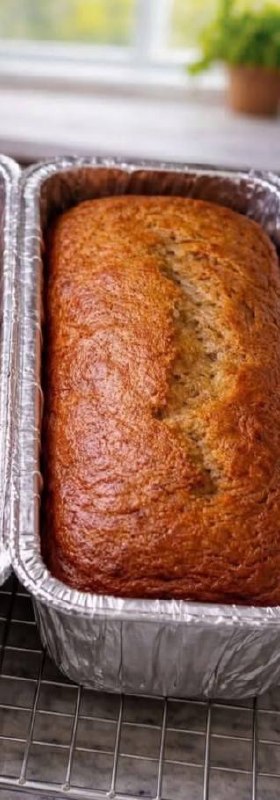
- Preheat your oven to 350°F (175°C). Lightly grease and flour a 9×5-inch loaf pan, or line with parchment paper, or use a disposable aluminum loaf pan.
- In a medium bowl, whisk together the flour, baking soda, salt, and cinnamon (if using). Set aside.
- In a large bowl, whisk together the melted butter and granulated sugar until well combined.
- Add the egg and vanilla extract to the wet ingredients, whisking until smooth and fully incorporated.
- Stir in the mashed bananas until just combined. Don’t worry if there are a few small lumps; they add to the rustic charm.
- Gradually add the dry ingredients to the wet ingredients, mixing with a spoon or spatula until just combined. Be careful not to overmix; a few streaks of flour are fine. Overmixing can lead to a tough loaf.
- If using, gently fold in the chopped walnuts/pecans or chocolate chips.
- Pour the batter into the prepared loaf pan and spread evenly.
- Bake for 55-65 minutes, or until a wooden skewer or toothpick inserted into the center of the loaf comes out clean or with a few moist crumbs attached. The top should be golden brown and slightly cracked.
- Remove the loaf pan from the oven and let it cool in the pan on a wire rack for 10-15 minutes. This allows the loaf to set up properly and prevents it from sticking.
- After 10-15 minutes, carefully invert the loaf onto the wire rack to cool completely before slicing. Slicing too early can cause the bread to crumble or be gummy.
Cooking Tips and Variations
The secret to truly spectacular banana bread lies in a few key details. Firstly, let’s talk about bananas. The riper, the better! Don’t be afraid of those bananas with plenty of brown spots and even some black patches on their skins. These are the bananas that have developed the most sugar and intense banana flavor, which translates directly into a sweeter, more fragrant, and incredibly moist loaf. Under-ripe bananas simply won’t deliver the same depth of flavor or moisture, so embrace the brown!
Secondly, resist the urge to overmix your batter. Once you’ve combined the wet and dry ingredients, mix just until the flour streaks disappear. Overmixing develops the gluten in the flour, which can lead to a tough, rubbery banana bread instead of the tender, melt-in-your-mouth texture we’re aiming for. A gentle hand is key here.
To ensure your loaf bakes evenly and doesn’t have a soggy bottom, proper cooling is crucial. Always allow the bread to cool in the pan on a wire rack for at least 10-15 minutes before attempting to remove it. This allows the structure to firm up. Then, transfer it to the wire rack to cool completely. Cooling on a wire rack allows air to circulate around the entire loaf, preventing condensation from making the bottom wet.
For variations, the possibilities are endless! For a nutty crunch, add 1/2 cup of chopped walnuts or pecans to the batter. If you’re a chocolate lover, 1/2 cup of chocolate chips (milk, dark, or semi-sweet) can be folded in. A sprinkle of flaky sea salt on top before baking can enhance the sweetness of the chocolate. For a warmer spice profile, consider adding 1/2 teaspoon of nutmeg or a pinch of ground cloves along with the cinnamon. Dried fruits like raisins, cranberries, or chopped dates can also be a delightful addition, adding bursts of chewy sweetness. You can also make a streusel topping by combining flour, sugar, and cold butter, crumbling it over the top of the batter before baking for an added layer of texture and sweetness.
Storage and Reheating
Proper storage is essential to keep your banana bread fresh and moist. Once completely cooled, wrap the loaf tightly in plastic wrap or aluminum foil, or store it in an airtight container at room temperature. It will stay fresh and delicious for 3-4 days. For longer storage, you can refrigerate it for up to a week, though the texture might become slightly denser. However, for the best long-term preservation, freezing is your friend.
To freeze, ensure the loaf is completely cool. You can freeze it whole, in halves, or as individual slices. Wrap it tightly in plastic wrap, then an additional layer of aluminum foil, or place it in a freezer-safe bag. It will keep well in the freezer for up to 3 months. Thaw frozen banana bread overnight in the refrigerator or at room temperature for a few hours.
To reheat, you can warm individual slices in the microwave for 15-30 seconds until just warm, or in a toaster oven for a few minutes. If reheating a whole loaf, wrap it loosely in foil and warm in a preheated oven at 300°F (150°C) for 10-15 minutes, or until heated through. This can help bring back some of that freshly baked aroma and moisture.
Frequently Asked Questions
Why are overripe bananas so important for banana bread?
Overripe bananas are crucial because they are significantly sweeter and more flavorful than firm, yellow bananas. As bananas ripen, their starches convert to sugars, intensifying their natural sweetness. They also become much softer, making them easier to mash and ensuring they blend seamlessly into the batter, contributing to the bread’s moist and tender texture. Using under-ripe bananas will result in a less flavorful and potentially drier loaf.
Can I make this banana bread recipe without a stand mixer?
Absolutely! This banana bread recipe is designed to be easily made by hand. All you need are a couple of bowls, a whisk, and a spatula or spoon. In fact, mixing by hand helps prevent overmixing, which is a common pitfall that can lead to a tough loaf. Just ensure all ingredients are well combined, especially the wet ingredients, and then gently fold in the dry ingredients until just incorporated.
How do I know when my banana bread is fully baked?
The best way to check for doneness is to insert a wooden skewer, toothpick, or thin knife into the very center of the loaf. If it comes out clean or with only a few moist crumbs attached, your banana bread is ready. If it comes out with wet batter, it needs more time in the oven. The top of the loaf should also be golden brown and may have a slight crack down the middle, which is typical for quick breads.
What can I do if I don’t have enough overripe bananas?
If you’re short on overripe bananas and can’t wait, there’s a quick trick! Place firm, yellow bananas (with peels on) on a baking sheet and bake them in a preheated oven at 300°F (150°C) for 15-30 minutes. The peels will turn completely black, and the bananas inside will become soft and sweet. Let them cool slightly before peeling and mashing. Alternatively, you can mash slightly less ripe bananas and add an extra tablespoon or two of sugar to compensate for the reduced sweetness, though the flavor won’t be as intense.