Instructions
- In a large mixing bowl, whisk together the dry ingredients: cornmeal, all-purpose flour, optional sugar, baking powder, baking soda, and salt. Make sure there are no lumps and everything is well combined.
- In a separate medium bowl, whisk together the wet ingredients: buttermilk and the large egg. If using regular milk, combine it with lemon juice or vinegar first and let it sit for 5 minutes to create a buttermilk substitute.
- Pour the wet ingredients into the dry ingredients. Add the 2 tablespoons of melted butter (or bacon grease) to the batter.
- Stir the batter gently with a spoon or whisk until just combined. It’s crucial not to overmix; a few small lumps are perfectly fine. Overmixing can lead to tough hoecakes. The batter should be thick but pourable, similar to a traditional pancake batter. If it seems too thick, add buttermilk one tablespoon at a time until the desired consistency is reached.
- Heat a large cast-iron skillet or a heavy-bottomed non-stick pan over medium heat. Add 1-2 tablespoons of butter or bacon grease to the pan. Allow the fat to melt and shimmer, ensuring the pan is hot but not smoking. A well-seasoned cast iron skillet is ideal for achieving that perfect crispy crust.
- Once the pan is hot, use a 1/4 cup measuring cup or a ladle to pour portions of batter onto the skillet. Do not overcrowd the pan; cook 2-3 hoecakes at a time, leaving enough space between them for easy flipping and even cooking.
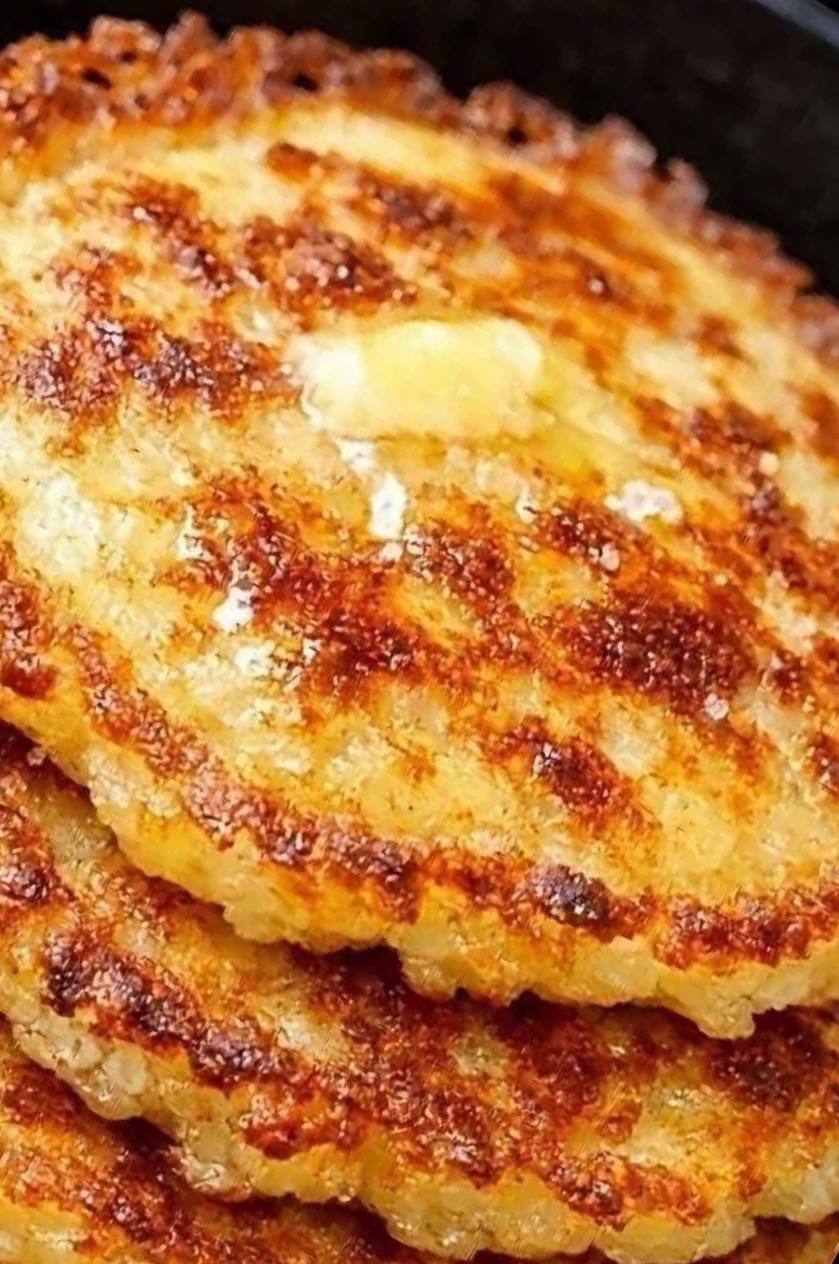
- Cook for 3-4 minutes per side, or until the edges begin to look set, bubbles appear on the surface, and the underside is a beautiful golden-brown and crispy. The cooking time may vary slightly depending on your stove and pan.
- Carefully flip the hoecakes with a thin spatula and cook for another 2-3 minutes on the second side, until golden-brown and cooked through.
- Transfer the cooked hoecakes to a plate. You can keep them warm in a low oven (around 200°F / 95°C) while you cook the remaining batter.
- Add more butter or bacon grease to the pan as needed between batches to ensure each hoecake gets that delicious crispy coating.
- Serve immediately, hot off the griddle, with your favorite savory or sweet accompaniments.
Cooking Tips and Variations
Achieving the perfect Southern Hoecake is all about understanding a few key techniques and embracing the spirit of versatility. Here are some tips for success and exciting variations to try:
The Secret to Perfectly Crispy Hoecakes:
- Cornmeal Choice: The type of cornmeal you use significantly impacts texture. Medium-grind yellow cornmeal offers the best balance of a crispy exterior and a tender, slightly grainy interior. Fine cornmeal will result in a smoother, less textured hoecake, while coarse cornmeal can be very hearty but might require a slightly longer cooking time or more liquid.
- Proper Fat for Cooking: This is paramount for crispiness. Bacon grease is the traditional choice and imparts an incredible savory flavor. If you don’t have bacon grease, unsalted butter or a neutral oil like vegetable or canola oil will also work well. Don’t be shy with the fat; you want a thin layer covering the bottom of the pan to “fry” the hoecakes, not just lightly toast them.
- Hot Pan, Not Smoking: Preheat your skillet over medium heat until it’s properly hot. You can test it by flicking a few drops of water onto the surface; if they sizzle and evaporate immediately, it’s ready. If the fat starts smoking, the pan is too hot, and your hoecakes will burn before cooking through. Adjust the heat as needed throughout the cooking process.
- Don’t Overcrowd the Pan: Give your hoecakes space! Cooking too many at once will lower the pan’s temperature, leading to steaming rather than crisping. This is a common mistake that results in limp hoecakes. Cook in batches, adding more fat as needed between each.
- Batter Consistency is Key: The batter should be thick enough to hold its shape but still pourable. If it’s too thin, your hoecakes will spread out too much and be delicate. If it’s too thick, they’ll be dense and dry. Adjust with small additions of buttermilk or cornmeal/flour if necessary.
- Avoid Overmixing: Just like with pancakes, overmixing develops the gluten in the flour, leading to tough hoecakes. Mix until just combined, even if a few lumps remain.
- Cast Iron Skillet for the Win: A well-seasoned cast iron skillet is your best friend for hoecakes. It retains heat exceptionally well and provides a beautifully even, crispy crust that other pans struggle to replicate.
Serving Suggestions & Variations:
- Savory Delights:
- Classic Southern Pairing: Serve alongside crispy fried chicken, tender collard greens, slow-cooked pulled pork, or a hearty bowl of chili or stew.
- Breakfast/Brunch Staple: A fantastic alternative to toast or biscuits with scrambled eggs, crispy bacon, and savory sausage patties.
- With Gravy: Smother them in a rich sausage gravy or a simple sawmill gravy for a truly comforting meal.
- Added Flavor: Fold finely chopped scallions, chives, or even a pinch of smoked paprika into the batter for an extra savory kick.
- Sweet Indulgences:
- Maple Magic: Drizzle generously with warm maple syrup or a rich molasses.
- Honey & Fruit: Top with a dollop of honey, fruit preserves, or fresh berries and a dusting of powdered sugar.
- Sorghum Syrup: For an authentic Southern sweet experience, try them with sorghum syrup, which offers a unique, complex sweetness.
- Batter Variations:
- Buttermilk Tang: While our recipe calls for buttermilk, using it truly enhances the flavor and tenderness.
- Sweetened Hoecakes: Increase the sugar to 2-3 tablespoons for a distinctly sweeter hoecake, perfect for dessert or a sweet breakfast.
- Spice It Up: A pinch of cayenne pepper in the batter can add a subtle warmth if serving with savory dishes.
- Cheese Please: Stir in a handful of shredded cheddar cheese for cheesy corn cakes.
Storage and Reheating
Southern Hoecakes are undoubtedly best enjoyed fresh and hot, straight from the skillet, when their crispiness is at its peak. However, if you find yourself with leftovers (a rare occurrence!), they can be stored and reheated for later enjoyment.
- Storage: Allow the hoecakes to cool completely to room temperature before storing. Stack them with a piece of parchment paper between each to prevent sticking. Place them in an airtight container or a resealable freezer bag. They can be stored in the refrigerator for up to 3-4 days. For longer storage, hoecakes can be frozen for up to 2-3 months.
- Reheating:
- Oven/Toaster Oven: This is the best method for restoring some of their crispness. Preheat your oven or toaster oven to 350°F (175°C). Place the hoecakes in a single layer on a baking sheet. Heat for 5-10 minutes, or until warmed through and the edges are slightly crisp again. If frozen, you can reheat them directly from frozen, adding a few extra minutes to the heating time.
- Skillet: For a quick reheat that also helps with crispness, heat a dry skillet (cast iron works best) over medium heat. Place the hoecakes in the hot skillet and heat for 1-2 minutes per side, until warmed through and lightly re-crisped. Add a tiny bit of butter or oil if you want to enhance the browning.
- Microwave (Least Recommended): While convenient, microwaving will result in soft, slightly chewy hoecakes, and you will lose any crispness. If you must use a microwave, heat for 30-60 seconds, or until just warmed through. This method is best if you plan to smother them in gravy or syrup, where crispness isn’t the primary concern.
Remember, the goal when reheating is to bring back as much of that original crispy texture as possible, so the oven or skillet methods are highly recommended.
Frequently Asked Questions
What’s the difference between hoecakes and cornbread?
While both hoecakes and cornbread share a cornmeal base, they are distinct dishes. Cornbread is typically baked in a pan (often cast iron) in the oven, resulting in a thicker, cakier consistency, sometimes with a crust but generally softer throughout. Hoecakes, on the other hand, are pan-fried or griddled in individual portions, leading to a much crispier exterior and a thinner profile, more akin to a pancake or fritter. Hoecakes are also often made with a simpler batter and cooked quickly, emphasizing that crispy, griddled crust.
Can I make hoecakes without buttermilk?
Yes, absolutely! If you don’t have buttermilk on hand, you can easily make a substitute. For 1 1/2 cups of buttermilk, simply measure 1 1/2 cups of regular milk (dairy or non-dairy) and stir in 1 1/2 tablespoons of lemon juice or white vinegar. Let the mixture sit for 5-10 minutes until it slightly thickens and curdles. This “soured” milk will react with the baking soda in the recipe, providing the necessary leavening and a similar tangy flavor profile to real buttermilk.
Why are my hoecakes not crispy?
Several factors can lead to hoecakes that lack crispness. The most common culprits include not using enough fat in the pan, not heating the pan sufficiently before adding the batter, or overcrowding the pan. To achieve that signature crispiness, ensure your skillet is hot (but not smoking) and has a thin layer of melted butter or bacon grease. Cook in small batches to maintain the pan’s temperature, allowing the hoecakes to fry rather than steam. Also, using a medium-grind cornmeal and not overmixing the batter contributes to the ideal texture.
Can I make hoecakes ahead of time?
While hoecakes are best enjoyed immediately for optimal crispness, you can prepare the dry ingredients ahead of time and store them in an airtight container. When ready to cook, simply combine them with the wet ingredients. Cooked hoecakes can be stored in the refrigerator for a few days or frozen for longer, but be aware that their crispness will diminish. They can be reheated in the oven or a dry skillet to help restore some of that delightful crunch.