Instructions
- Begin by preparing the pork chops. Remove them from their packaging and pat them thoroughly dry with paper towels. This crucial step helps achieve a beautiful, crispy sear. Season both sides of each chop generously with salt, black pepper, garlic powder, onion powder, and cayenne pepper (if using). Gently press the seasonings into the meat.
- Prepare the brown sugar glaze. In a small bowl, whisk together the brown sugar, apple cider vinegar, soy sauce, Dijon mustard, and water or chicken broth. If you desire a slightly thicker glaze, whisk in the cornstarch now until no lumps remain. Set the glaze aside.
- Heat a large heavy-bottomed skillet, preferably cast iron, over medium-high heat. Add the olive oil or vegetable oil and swirl to coat the bottom of the pan. Allow the oil to get hot and shimmering, but not smoking.
- Carefully place the seasoned pork chops into the hot skillet, ensuring not to overcrowd the pan. If necessary, cook in batches to maintain a high temperature and achieve a good sear. Sear the chops for 3-4 minutes per side, until a deep golden-brown crust forms.
- Once both sides are nicely seared, reduce the heat to medium-low. Pour the prepared brown sugar glaze over the chops in the skillet. Bring the glaze to a gentle simmer, scraping up any browned bits from the bottom of the pan with a wooden spoon.
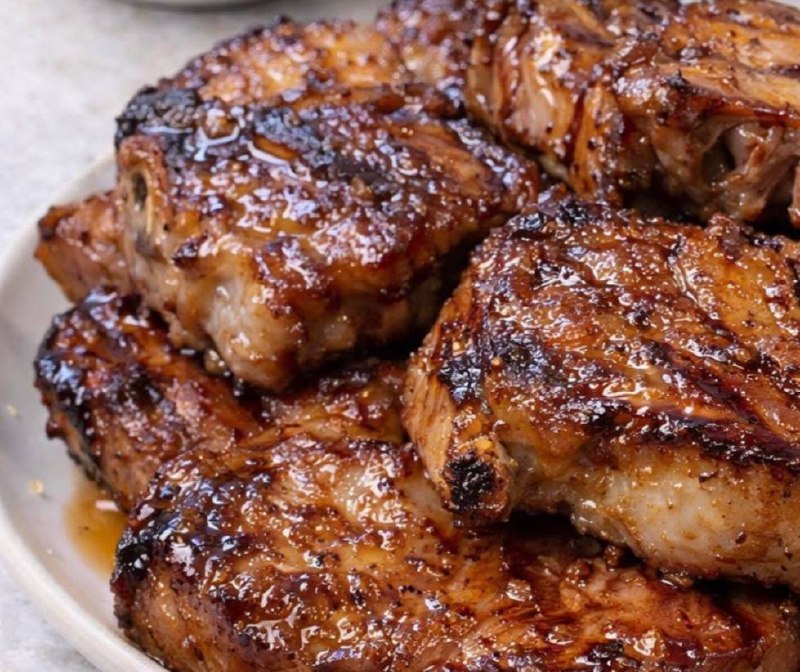
- Continue to cook the chops, flipping them every 1-2 minutes and spooning the glaze over them, for another 5-8 minutes, or until the internal temperature of the pork reaches 140-142°F (60-61°C) when measured with a meat thermometer inserted into the thickest part of the chop, avoiding the bone. The glaze will thicken and caramelize as it cooks, becoming sticky and glossy. Be mindful not to let the glaze scorch; adjust heat as needed.
- Once the chops reach the desired internal temperature, immediately remove them from the skillet and transfer them to a cutting board or serving platter. Loosely tent them with aluminum foil and let them rest for at least 5 minutes. This resting period allows the juices to redistribute throughout the meat, ensuring incredibly tender and juicy chops. During this time, the internal temperature will rise to the recommended 145°F (63°C).
- While the chops are resting, you can simmer any remaining glaze in the skillet for another minute or two on low heat to thicken it further, if desired. Spoon any extra glaze over the rested chops.
- Garnish with fresh chopped parsley or chives, if using, for a pop of color and freshness. Serve hot and enjoy your delicious brown sugar chops!
Cooking Tips and Variations
To achieve the absolute best results with your Delicious Brown Sugar Chops, start by selecting the right cut of meat. Opt for bone-in pork chops that are about 1-inch thick, as they tend to stay juicier and more flavorful than thinner or boneless cuts. If using boneless, ensure they are still at least 1-inch thick. Always pat the chops thoroughly dry with paper towels before seasoning and searing; moisture on the surface will steam the meat rather than sear it, preventing that beautiful, caramelized crust. When searing, make sure your skillet is adequately hot but not smoking, and avoid overcrowding the pan. Giving each chop enough space allows for proper browning and prevents the pan temperature from dropping too much.
The key to perfectly cooked pork chops is to not overcook them. Pork is lean and can dry out quickly. Invest in a good instant-read meat thermometer and aim for an internal temperature of 140-142°F (60-61°C) before removing them from the heat. The temperature will rise to a safe 145°F (63°C) during the resting period. Speaking of resting, this step is non-negotiable! Loosely tenting the chops with foil for at least 5 minutes allows the muscle fibers to relax and reabsorb the juices, resulting in incredibly tender and succulent meat. For the glaze, keep a close eye on it as it simmers. Brown sugar can scorch easily, so adjust the heat as needed and stir frequently, especially in the final stages of caramelization.
For variations, feel free to experiment with the flavor profile. To add a smoky depth, incorporate a teaspoon of smoked paprika into your seasoning blend, or a dash of liquid smoke to the glaze. If you enjoy a spicier kick, increase the cayenne pepper or add a pinch of red pepper flakes to the glaze. For an herbaceous touch, finely chop fresh rosemary or thyme and add it to the glaze during the last few minutes of cooking, or sprinkle over the finished chops. You can also swap out apple cider vinegar for balsamic vinegar for a richer, tangier glaze. While pork is traditional, this brown sugar glaze works wonderfully with other proteins. Try it with chicken thighs, beef short ribs, or even firm white fish for a different culinary experience. Consider a marinade: for even deeper flavor, you can marinate the chops in a portion of the glaze ingredients (without the cornstarch) for 30 minutes to an hour before cooking, then proceed with the recipe.
Storage and Reheating
Storing your delicious brown sugar chops properly ensures they remain flavorful and safe to eat for future meals. Once the chops have cooled completely to room temperature, transfer them to an airtight container. If you have extra glaze, store it separately in a small, airtight container. The cooked chops can be safely stored in the refrigerator for up to 3-4 days. For longer storage, you can freeze the cooked chops for up to 2-3 months. To freeze, wrap individual chops tightly in plastic wrap, then place them in a freezer-safe bag or container, removing as much air as possible to prevent freezer burn. Thaw frozen chops overnight in the refrigerator before reheating.
When reheating, the goal is to warm the chops through without drying them out. The microwave is the quickest option but can sometimes lead to drier meat. If using a microwave, place the chop on a microwave-safe plate, add a tablespoon of water or broth, cover loosely with a microwave-safe lid or damp paper towel, and heat in 30-second intervals until warmed through. For best results, especially if you want to revive some of that caramelized glaze, reheat in a skillet. Place the chops in a non-stick skillet over medium-low heat with a tablespoon of water or broth and cover. Heat gently for 5-7 minutes, flipping once, until warmed through. Alternatively, you can reheat them in an oven preheated to 300°F (150°C). Place the chops in an oven-safe dish, add a splash of water or broth, cover with foil, and bake for 10-15 minutes, or until heated through. If you have leftover glaze, warm it gently and spoon over the reheated chops for an extra burst of flavor and moisture.
Frequently Asked Questions
What kind of pork chops are best for this recipe?
For this recipe, bone-in pork chops that are about 1-inch thick are highly recommended. Cuts like loin chops or rib chops work wonderfully. The bone helps to keep the meat moist and adds flavor. If you prefer boneless, ensure they are still at least 1-inch thick to prevent them from drying out too quickly during cooking.
Can I prepare the glaze ahead of time?
Absolutely! You can prepare the brown sugar glaze up to 2-3 days in advance and store it in an airtight container in the refrigerator. This can be a great time-saver on a busy weeknight. Just give it a good whisk before adding it to the pan with the chops.
How do I prevent the chops from drying out?
The most crucial step to prevent dry chops is to avoid overcooking them. Use an instant-read meat thermometer and aim to remove the chops from the heat when they reach an internal temperature of 140-142°F (60-61°C). They will continue to cook during the resting period, reaching the safe temperature of 145°F (63°C). Also, ensure you pat the chops dry before searing to get a good crust, and always allow them to rest after cooking to redistribute the juices.
What are some good side dishes to serve with these brown sugar chops?
These versatile brown sugar chops pair well with a variety of sides. Classic choices include mashed potatoes or sweet potato mash, roasted asparagus or green beans, steamed broccoli, or a simple garden salad. For a heartier meal, consider serving them with rice pilaf or quinoa. The sweet and savory profile also complements roasted root vegetables like carrots and parsnips beautifully.