Instructions
- In a medium saucepan, combine the whole milk, half of the granulated sugar (1/4 cup or 50g), and salt. If using a vanilla bean, add the scraped seeds and the pod to the milk mixture. Heat over medium heat, stirring occasionally, just until the mixture comes to a gentle simmer and small bubbles appear around the edges. Do not bring to a rolling boil.
- While the milk is heating, in a medium heatproof bowl, whisk together the egg yolks, the remaining 1/4 cup (50g) of granulated sugar, and the cornstarch until the mixture is pale yellow and smooth, with no lumps. The mixture should be thick.
- Once the milk mixture is simmering, remove the vanilla bean pod if used. Slowly and gradually temper the hot milk into the egg yolk mixture. To do this, ladle about 1/2 cup of the hot milk into the egg yolk mixture while whisking constantly and vigorously. Continue to add another 1/2 cup, whisking continuously, until about half of the hot milk has been incorporated. This step is crucial to prevent the eggs from scrambling.
- Carefully pour the tempered egg yolk mixture back into the saucepan with the remaining hot milk.
- Return the saucepan to medium-low heat. Whisk continuously and vigorously, making sure to scrape the bottom and sides of the pan, especially the corners, to prevent scorching and lumps. Continue to cook for 2-4 minutes, or until the mixture thickens considerably and comes to a boil. It should be thick enough to coat the back of a spoon and hold its shape slightly. Once it boils, continue whisking and cooking for another 1-2 minutes to ensure the cornstarch is fully cooked out, which prevents a starchy taste.
- Immediately remove the saucepan from the heat. Stir in the chilled unsalted butter, one piece at a time, until fully melted and incorporated, giving the pastry cream a rich, glossy finish. If using vanilla extract, stir it in at this stage.
- Strain the pastry cream through a fine-mesh sieve into a clean bowl. This step ensures an ultra-smooth, lump-free consistency, catching any cooked egg bits or vanilla bean remnants.
- To prevent a skin from forming, immediately press a piece of plastic wrap directly onto the surface of the pastry cream. Ensure there are no air bubbles between the cream and the plastic wrap.
- Refrigerate the pastry cream for at least 4 hours, or preferably overnight, until thoroughly chilled and set. It will thicken considerably as it cools.
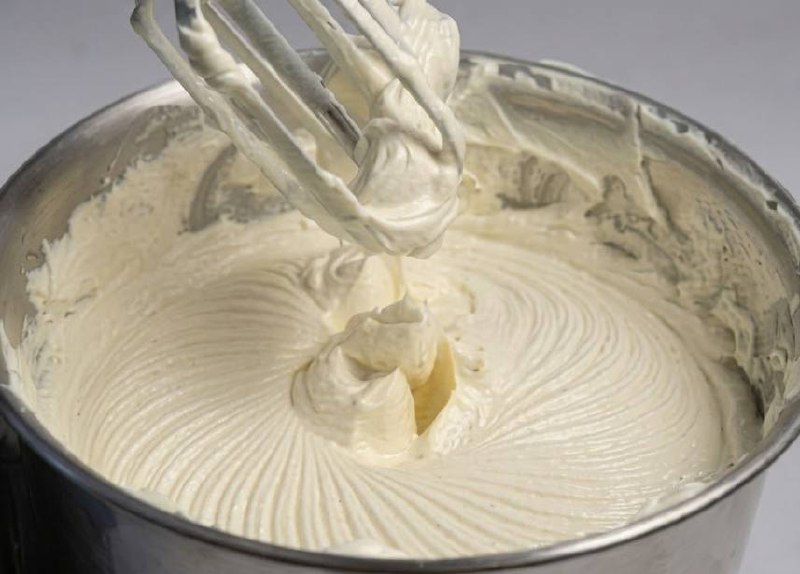
- Before using, remove the plastic wrap and vigorously whisk the chilled pastry cream by hand, or beat it with an electric mixer on medium speed, for 1-2 minutes. This step is critical to break down its gelled structure, making it incredibly smooth, light, and velvety, just like the image. It will transform from a firm block into a spreadable, pipeable cream.
Cooking Tips and Variations
Achieving the “ideal” pastry cream is all about precision and technique. First and foremost, resist the urge to rush the cooking process. Cooking over medium-low heat and whisking constantly are non-negotiable to prevent scorching and ensure even thickening. When the cream thickens, it will go from watery to a custard-like consistency quite quickly. Once it starts to boil and bubble vigorously, continue to whisk for at least 1-2 minutes. This ensures the starch is fully cooked, eliminating any raw, pasty taste and preventing the cream from thinning out later. An undercooked pastry cream will be runny and lack the desired stability.
The tempering step is another critical juncture. Slowly adding hot milk to the egg yolks while whisking vigorously brings the egg mixture up to temperature gradually, preventing them from curdling. If you add the hot milk too quickly, you’ll end up with scrambled eggs, not smooth pastry cream. Always err on the side of caution and go slowly. Once the cream is cooked, straining it through a fine-mesh sieve is a small but mighty step. It catches any potential lumps or bits of cooked egg, guaranteeing that silky-smooth texture we’re after. Don’t skip this for truly professional results.
The final whisking after cooling is perhaps the most transformative step, and one often overlooked. When pastry cream chills, it sets into a firm, almost jelly-like consistency due to the starch. A vigorous whisking (or beating with an electric mixer) breaks down this gelled structure, aerating the cream and making it incredibly smooth, light, and pipeable, just like the image. This process makes it pliable and luxurious, ready for any application. If you just scoop it out of the fridge, it will be too firm and dense. Don’t be afraid to give it a good workout!
For variations, the possibilities are endless. For a chocolate pastry cream, simply whisk in 4-6 ounces (113-170g) of finely chopped dark chocolate (60-70% cacao) into the hot pastry cream after the butter has been incorporated. The residual heat will melt the chocolate, and you can whisk until smooth. For a citrus version, add 1-2 teaspoons of lemon or orange zest to the milk as it heats, then strain it out before tempering. You can also infuse the milk with spices like cinnamon sticks or star anise for an aromatic twist. For an even richer cream, some recipes substitute a portion of the milk with heavy cream, or increase the butter content slightly. Feel free to experiment with different extracts as well – almond, pistachio, or coffee extracts can all add wonderful flavor dimensions. Just be sure to add extracts at the very end, after cooking, to preserve their delicate flavors.
Storage and Reheating
Proper storage is key to maintaining the freshness and quality of your homemade pastry cream. Once it has been chilled and whisked, transfer any unused portions to an airtight container. Press a piece of plastic wrap directly onto the surface of the cream, ensuring no air is trapped between the plastic and the cream. This prevents a “skin” from forming on top, which can be unappetizing and affect the texture. Store the pastry cream in the coldest part of your refrigerator for up to 3-4 days. While it might last a bit longer, the quality and flavor are best within this timeframe. Pastry cream is not suitable for freezing, as the starch and egg proteins can break down during thawing, resulting in a grainy, watery, or separated texture.
Pastry cream is generally not “reheated” in the traditional sense, as it is almost always served chilled or at room temperature as a filling. If you need to refresh its texture after a day or two in the fridge, simply remove it from the container and give it a good whisk by hand or with an electric mixer for a minute or two. This will bring back its smooth, creamy, and aerated consistency. If it seems a little too thick or stiff, you can whisk in a tablespoon or two of cold milk or cream to loosen it slightly, but avoid adding too much liquid, which could make it runny. If the cream has been out at room temperature for an extended period (more than 2 hours), it’s best to discard it due to the presence of dairy and eggs, which can quickly become a breeding ground for bacteria. Always prioritize food safety when working with custards.
Frequently Asked Questions
Why did my pastry cream turn out lumpy?
Lumps in pastry cream are typically caused by two main issues: not whisking constantly and vigorously enough during the cooking process, allowing the starch to clump, or not properly tempering the egg yolks, causing them to cook prematurely. To avoid this, always whisk continuously, especially scraping the bottom and corners of the pan, and ensure you slowly add the hot milk to the egg yolks while whisking vigorously during the tempering step. If you do end up with lumps, straining the hot pastry cream through a fine-mesh sieve immediately after cooking will usually resolve the issue and give you a smooth result.
My pastry cream is too runny; what went wrong?
A runny pastry cream is usually a sign of undercooking. The cornstarch needs to reach a boiling point and cook for at least 1-2 minutes to fully activate its thickening properties. If you remove it from the heat too soon, it won’t set properly. Another reason could be an incorrect ratio of thickener (cornstarch/flour) to liquid. Ensure you’re measuring your ingredients accurately. While you can’t easily fix it once it’s completely cooled and set, if you catch it while it’s still warm, you can return it to the stove and cook it for a few more minutes, whisking constantly, until it visibly thickens and boils. If it’s already chilled and runny, unfortunately, it’s difficult to salvage, and it’s best to start over.
Can I make pastry cream ahead of time?
Absolutely! Pastry cream is an excellent component to prepare in advance. In fact, it needs time to chill and set properly, ideally for at least 4 hours or even overnight. Making it ahead allows the flavors to meld and the texture to firm up. Just remember to cover it directly with plastic wrap to prevent a skin from forming and store it in the refrigerator for up to 3-4 days. Before using, give it a good whisk to restore its smooth, velvety texture.
Why does my pastry cream have an “eggy” taste?
An “eggy” taste usually indicates that the eggs were not cooked sufficiently or that there’s an imbalance in the recipe. Ensuring the pastry cream comes to a full boil and cooks for at least 1-2 minutes after thickening helps to cook out the raw starch and egg flavors. Using good quality vanilla or other flavorings also helps to mask and balance any eggy notes. If your recipe calls for too many egg yolks relative to the other ingredients, it can also lead to a more pronounced eggy flavor. Stick to reliable recipes and ensure proper cooking times.