Introduction
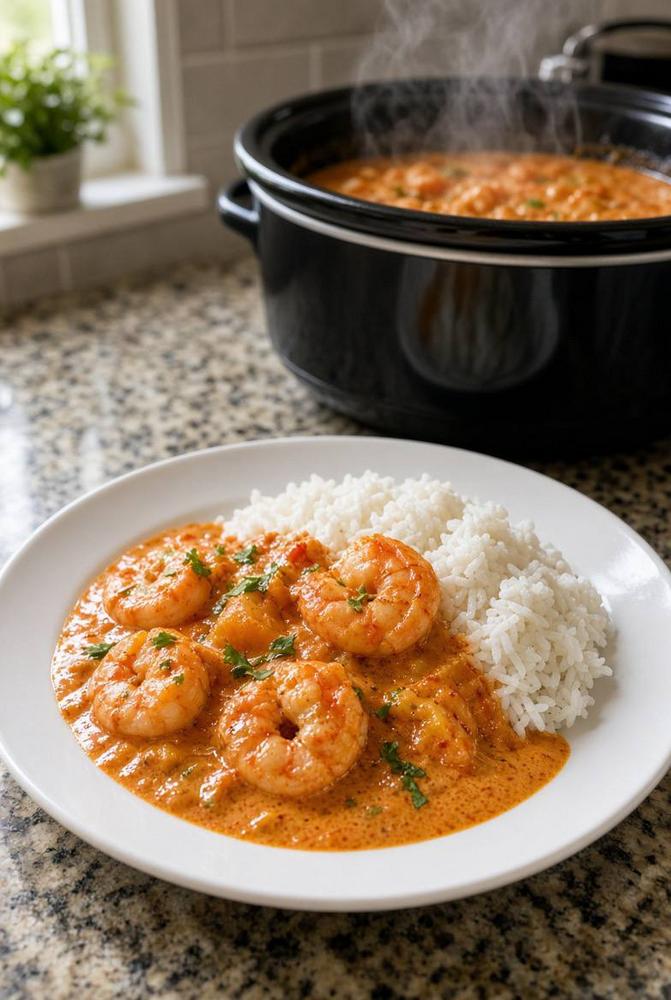
Get ready to tantalize your taste buds with a dish that’s as vibrant in color as it is in flavor: Spicy Coconut Curry Shrimp! Imagine a symphony of succulent shrimp, bathed in a rich, creamy, and fiery coconut curry sauce, served over a bed of fluffy white rice. This isn’t just a meal; it’s an experience, transporting you to exotic locales with every spoonful. The aromatic steam rising from the bowl promises comfort and excitement, making it an irresistible choice for any occasion.
What makes this particular Spicy Coconut Curry Shrimp recipe a must-try? It’s the perfect marriage of convenience and gourmet taste. We’ve crafted a recipe that delivers a complex, deeply satisfying flavor profile without demanding hours in the kitchen. Whether you’re a seasoned chef or a weeknight warrior looking for something extraordinary, this dish fits the bill. The beauty of the slow-simmered sauce, bursting with fragrant spices, ginger, garlic, and sweet bell peppers, creates a comforting backdrop for the perfectly cooked, tender shrimp. It’s a dish that feels special enough for guests but is incredibly easy to whip up after a long day.
This Spicy Coconut Curry Shrimp is more than just a quick dinner; it’s a celebration of bold flavors and comforting textures. The harmonious blend of spicy heat from chili, the sweet creaminess of coconut milk, and the savory depth of curry creates a truly unforgettable meal. It’s a satisfying, relatively quick, and surprisingly healthy option that brings the exotic allure of global cuisine right to your dining table. Prepare to fall in love with your new go-to curry recipe!
Nutritional Information
Per serving (approximate values):
- Calories: 450
- Protein: 30g
- Carbohydrates: 45g
- Fat: 20g
- Fiber: 5g
- Sodium: 800mg
Ingredients
- 1 tablespoon coconut oil or vegetable oil
- 1 large yellow onion, finely diced
- 3 cloves garlic, minced
- 1 tablespoon fresh ginger, grated or minced
- 2 tablespoons red curry paste (adjust to desired spice level)
- 1 teaspoon ground turmeric
- 1/2 teaspoon ground cumin
- 1/4 teaspoon cayenne pepper (optional, for extra heat)
- 1 can (13.5 oz) full-fat coconut milk
- 1/2 cup chicken or vegetable broth
- 1 large red bell pepper, diced
- 1 large orange bell pepper, diced
- 1 pound large shrimp, peeled and deveined, tails on or off
- 1 tablespoon fresh lime juice
- 1 teaspoon fish sauce (optional, for umami depth)
- 1/2 teaspoon brown sugar or honey (optional, to balance flavors)
- Salt and freshly ground black pepper to taste
- Fresh cilantro, chopped, for garnish
- 2 cups uncooked white rice, prepared according to package directions, for serving
Instructions
- Prepare the Rice: Begin by cooking your white rice according to the package instructions. This ensures it’s ready to serve when your curry is complete. Typically, this involves rinsing the rice, combining it with water in a 1:2 ratio (1 cup rice to 2 cups water), bringing it to a boil, then reducing heat, covering, and simmering for 15-20 minutes until all water is absorbed and the rice is fluffy.
- Sauté Aromatics: In a large pot, Dutch oven, or the insert of your slow cooker (if using the sauté function), heat the coconut oil over medium heat. Add the diced onion and cook for 5-7 minutes, stirring occasionally, until softened and translucent.
- Add Garlic and Ginger: Stir in the minced garlic and grated ginger. Cook for another 1-2 minutes until fragrant, being careful not to burn the garlic.
- Bloom the Spices: Add the red curry paste, ground turmeric, ground cumin, and cayenne pepper (if using) to the pot. Cook, stirring constantly, for 1-2 minutes. This step is crucial for “blooming” the spices, intensifying their flavors and aromas. The mixture will become very fragrant.
- Build the Sauce: Pour in the full-fat coconut milk and chicken or vegetable broth. Stir well, scraping up any browned bits from the bottom of the pot. Bring the mixture to a gentle simmer.
- Add Vegetables: Add the diced red and orange bell peppers to the simmering sauce. Reduce the heat to low, cover the pot, and let the sauce simmer for 15-20 minutes, or until the bell peppers are tender-crisp. This allows the flavors to meld and the sauce to thicken slightly. If adapting for a slow cooker, transfer the sauce and vegetables to the slow cooker insert at this point, set to low, and cook for 2-3 hours, or high for 1-1.5 hours, until vegetables are tender.
- Cook the Shrimp: Once the sauce has simmered and the vegetables are tender, increase the heat to medium-low. Add the peeled and deveined shrimp to the curry sauce. Stir gently to ensure the shrimp are fully submerged. Cook for only 3-5 minutes, or until the shrimp turn opaque pink and are just cooked through. Be careful not to overcook, as shrimp can become rubbery very quickly.
- Finish and Season: Remove the pot from the heat. Stir in the fresh lime juice, fish sauce (if using), and brown sugar or honey (if using). Taste the curry and adjust seasoning as needed with salt and freshly ground black pepper. If you desire more heat, you can add a pinch more cayenne or a dash of hot sauce.
- Serve: Ladle a generous portion of the fluffy white rice onto serving plates. Spoon the Spicy Coconut Curry Shrimp over the rice, ensuring each serving gets plenty of sauce, shrimp, and vegetables.
- Garnish: Finish each serving with a generous sprinkle of fresh chopped cilantro. Serve immediately and enjoy the vibrant flavors!
Cooking Tips and Variations
To truly master this Spicy Coconut Curry Shrimp, consider these expert tips and exciting variations:
Shrimp Don’t Overcook! This is perhaps the most critical tip. Shrimp cook incredibly quickly. Add them to the curry sauce only at the very end of the cooking process, and remove the pot from the heat as soon as they turn pink and opaque. Overcooked shrimp become tough and rubbery, detracting from the dish’s overall appeal. Aim for tender, succulent bites.
Flavor Development is Key: Don’t rush the initial steps of sautéing your aromatics (onion, garlic, ginger) and blooming the curry paste and dry spices. This process unlocks their full flavor potential, creating a much deeper and more complex curry base. That fragrant aroma you get when the spices hit the hot oil is your signal that you’re on the right track!
Coconut Milk Quality Matters: For the richest, creamiest, and most authentic curry, always opt for full-fat coconut milk. The higher fat content contributes significantly to the sauce’s luxurious texture and ability to carry flavors. Light coconut milk will result in a thinner, less satisfying sauce.
Slow Cooker Adaptation for the Sauce: This recipe is fantastic for a slow cooker, especially for the sauce. After sautéing the aromatics and blooming the spices in a pan, transfer them to your slow cooker insert. Add the coconut milk, broth, bell peppers, lime juice, fish sauce, and brown sugar. Cook on low for 3-4 hours or on high for 1.5-2 hours, until the vegetables are tender and the flavors have melded. About 15-20 minutes before serving, stir in the shrimp and cook until just pink. This method is perfect for meal prepping or when you want dinner to cook itself.
Adjusting Spice Level: The “spicy” in the title is adjustable! For less heat, reduce the amount of red curry paste or omit the cayenne pepper. For more heat, add an extra teaspoon or two of curry paste, a pinch more cayenne, a few slices of fresh red chili (like bird’s eye chili), or a dash of your favorite hot sauce. A touch of brown sugar or honey can also help balance intense heat.
Alternative Grains: While fluffy white rice is classic, feel free to experiment with other grains. Brown rice offers more fiber and a nutty flavor, quinoa provides a complete protein boost, and couscous or even cauliflower rice (for a low-carb option) can make excellent accompaniments.
Vegetable Additions: This curry is incredibly versatile for adding more vegetables. Consider stirring in fresh spinach or kale during the last few minutes of cooking until wilted. Broccoli florets, snap peas, sliced mushrooms, bamboo shoots, or water chestnuts can also be added with the bell peppers for extra texture and nutrition.
Protein Swaps: Not a fan of shrimp, or looking for variety? This curry base works beautifully with other proteins. Diced chicken breast or thighs can be added after the aromatics and cooked through before adding the liquids. Firm tofu, pressed and cubed, can be pan-fried separately until golden and then stirred into the finished curry. White fish fillets (like cod or snapper) can be gently poached in the sauce for 5-7 minutes, similar to the shrimp.
Sweetness Balance: Sometimes, a touch of sweetness can beautifully balance the heat and acidity in a curry. A teaspoon of brown sugar, honey, or even a splash of maple syrup can round out the flavors without making the dish overtly sweet.
Garnish with Gusto: Don’t underestimate the power of fresh herbs! Cilantro adds a bright, fresh counterpoint to the rich curry. Other options include chopped green onions or a squeeze of extra lime juice right before serving.
Make Ahead Tips: The curry sauce (without the shrimp) can be made a day or two in advance and stored in the refrigerator. Reheat gently on the stovetop, then add the shrimp and cook until just done before serving. This makes weeknight cooking even faster!
Storage and Reheating
Proper storage and reheating are key to enjoying your Spicy Coconut Curry Shrimp leftovers while maintaining their delicious flavor and texture.
Storage:
- Cool Down Quickly: Allow the curry to cool down to room temperature as quickly as possible (within 1-2 hours) before storing. To speed this up, you can divide it into smaller, shallow containers.
- Airtight Containers: Transfer the cooled curry (including the shrimp and sauce) into airtight containers. This prevents air exposure, which can lead to spoilage and flavor degradation.
- Refrigeration: Store the containers in the refrigerator for up to 2-3 days.
- Freezing (Optional, with caveats): While you can technically freeze this curry, shrimp can sometimes become a bit tougher or more rubbery after being frozen and thawed. The sauce, however, freezes well. If you plan to freeze, it’s best to freeze the sauce separately before adding the shrimp. Cook fresh shrimp and add them to the reheated sauce. If freezing with shrimp, store in an airtight, freezer-safe container for up to 2-3 months. Thaw overnight in the refrigerator before reheating.
Reheating:
- Stovetop (Recommended): This is the best method for reheating, especially if the curry contains shrimp. Transfer the desired portion of curry to a saucepan or skillet. Add a splash of water or broth (1-2 tablespoons) to loosen the sauce, as it may thicken in the refrigerator. Heat over medium-low heat, stirring occasionally, until gently simmering and heated through. Be gentle to avoid overcooking the shrimp further.
- Microwave: For a quicker option, place a single serving of curry in a microwave-safe bowl. Cover loosely to prevent splatters. Heat on medium power in 1-minute intervals, stirring between each, until heated through. Be cautious not to overheat, as this can make the shrimp rubbery.
- With Rice: If you stored the curry and rice separately, reheat them separately. If they were stored together, you can reheat them together using either the stovetop or microwave method, keeping an eye on the shrimp.
- Fresh Garnish: Always add a fresh sprinkle of cilantro or a squeeze of lime juice after reheating to revive the flavors and brightness of the dish.
Frequently Asked Questions
Can I make this curry vegetarian or vegan?
Absolutely! This recipe is incredibly adaptable. To make it vegetarian, simply omit the shrimp and use vegetable broth instead of chicken broth. You can replace the shrimp with cubed firm tofu (pressed and pan-fried until golden before adding to the sauce), chickpeas, or a mix of extra vegetables like spinach, mushrooms, or sweet potatoes. Ensure your curry paste is vegan-friendly, as some brands may contain shrimp paste. If using fish sauce, substitute with a vegan alternative or a pinch of extra salt and a dash of soy sauce.
What if I can’t find red curry paste? Can I use curry powder?
While red curry paste offers a more authentic depth of flavor and spice, you can substitute it with curry powder in a pinch. Start with 2-3 tablespoons of a good quality curry powder and adjust to taste. You might need to add a pinch of cayenne pepper or chili flakes if you want to achieve a similar level of spiciness. Keep in mind that curry powder has a different flavor profile than curry paste, so the end result will be slightly different but still delicious.
My curry sauce is too thin/too thick. How can I fix it?
If your curry sauce is too thin, you have a few options: you can let it simmer uncovered for a longer period to allow some of the liquid to evaporate and thicken naturally. Alternatively, you can mix 1 tablespoon of cornstarch with 2 tablespoons of cold water to create a slurry, then stir it into the simmering sauce and cook for a minute or two until it thickens. If the sauce is too thick, simply stir in a splash more chicken or vegetable broth, or even a little water, until it reaches your desired consistency.
Can I prepare parts of this recipe in advance for quicker weeknight cooking?
Yes, this recipe is great for meal prep! You can chop all your vegetables (onion, garlic, ginger, bell peppers) ahead of time and store them in airtight containers in the refrigerator. The curry sauce itself (without the shrimp) can also be made a day or two in advance. Prepare the sauce up to step 6, allow it to cool, and then store it in the refrigerator. When you’re ready to eat, simply reheat the sauce on the stovetop, then add the fresh shrimp and cook until just done before serving.